When a website isn’t pulling its weight, it’s frustrating, especially for organizations doing meaningful work and relying on that site to attract supporters, build momentum, and move their mission forward. For mid-sized environmental nonprofits in Northern California and beyond, the issue often isn’t effort or content. It’s visibility.
Nonprofit website visibility goes beyond showing up on Google. It includes whether search engines understand your content, whether visitors stay or leave, and whether key actions, like donating, actually work on mobile. Many of these issues stay hidden until something breaks or results start slipping without warning.
That’s where a website visibility report makes a difference. It replaces guesswork with clear answers your team can act on. Below is a breakdown of what these reports include, the problems they uncover, and how to use the findings effectively.
What Is a Website Visibility Report and Why It Matters
 A website visibility report looks beyond surface-level appearance to assess how well your site performs from a technical and user experience standpoint.
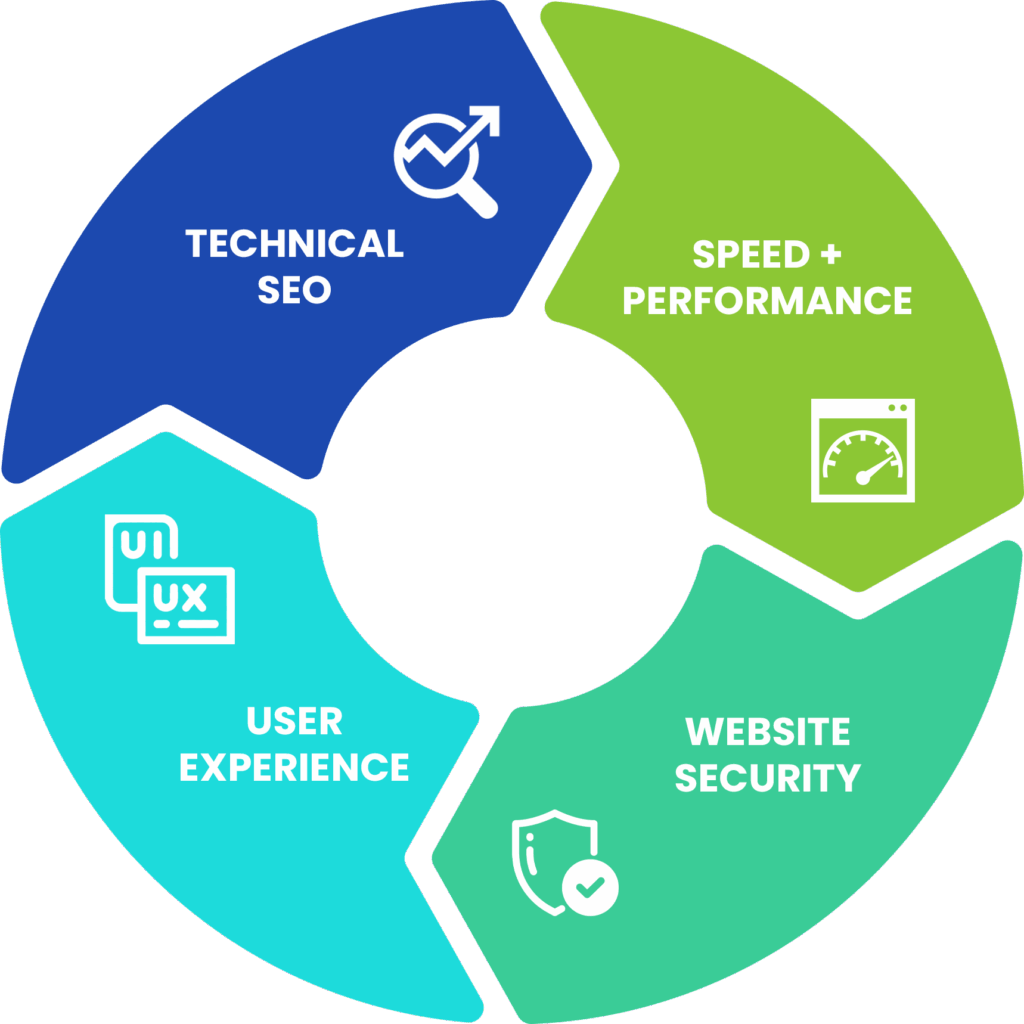
It evaluates the core signals search engines and supporters rely on, including:
- SEO setup and page structure
- Mobile readiness and usability
- Page speed and load performance
- Content discoverability in search
Most nonprofit teams don’t have time to monitor these areas regularly, and that’s completely understandable. A visibility report bridges that gap by showing whether your website is supporting or undermining your visibility, and which issues are most important to address first.
When these elements break down, the impact is real. Pages fail to rank, visitors leave before donating, and blog content may never surface in search results. A good visibility report highlights what’s working, what isn’t, and where your efforts will have the greatest effect.
Black Dog Marketing includes UX and technical SEO analysis in its nonprofit reports, helping teams focus limited resources where they matter most.
Common Visibility Issues That Hit Nonprofits the Hardest
Many visibility blockers quietly affect nonprofit websites without obvious warning signs. These are some of the most common issues uncovered during audits:
Slow website speed, especially on mobile
If pages take too long to load, users leave. Mobile performance is often overlooked, allowing speed issues to persist unnoticed.- Broken links and outdated tools
Missing pages or outdated plugins frustrate users and prevent search engines from properly crawling your site. Old donation or event tools may fail silently, costing you support. - Missing metadata and incomplete SEO
Search engines rely on page titles, meta descriptions, image tags, and structured content to understand and rank pages. When these elements are missing or misused, strong content can still be overlooked. - Accessibility and formatting issues
Hard-to-read text, poor color contrast, or confusing navigation can reduce trust and exclude parts of your audience, limiting both reach and engagement.
Each issue affects nonprofit website visibility differently, but together they make your site harder to find, harder to use, and harder to trust.
What Happens Behind the Scenes of a Visibility Report
A meaningful visibility report involves more than automated scans. It combines technical tools with real analysis.
The process typically includes:
- Crawling the site as a search engine would, identifying errors and missed signals
- Testing mobile performance, including load time, layout, and navigation
- Checking for missing tags, broken redirects, slow scripts, and outdated structures
- Reviewing accessibility, headings, and page hierarchy
Automated tools surface technical problems like duplicate pages or missing headings, while human review helps interpret what actually matters for real users. The result is a prioritized list of recommendations written in plain language, not technical jargon.
Black Dog Marketing adds custom action plans and step-by-step guidance, helping nonprofit teams understand which updates will deliver the biggest improvement instead of facing a generic checklist.
How to Use Visibility Findings to Make Smarter Decisions
Once you have a visibility report, how you act on it matters just as much as the findings themselves. For many nonprofits, the goal is balancing limited resources with increasing digital demands.
A helpful starting point is separating issues into two categories:
- Quick wins
Low-effort fixes with immediate impact, such as repairing broken links or updating missing metadata. - Long-term improvements
Larger changes that may require budget or approval, like upgrading hosting or redesigning mobile layouts.
Visibility reports also support leadership conversations. Instead of vague requests for “site improvements,” you can explain how broken navigation or slow pages are hiding key program work from search engines. Connecting visibility issues to mission impact strengthens the case for action.
Patterns uncovered in reports, such as high bounce rates or unused forms, often point to deeper issues. Addressing them can lead to higher donation conversions, increases in newsletter signups, and stronger engagement overall.
Clear Visibility Leads to Greater Impact
If your team has ever said, “We’re doing great work, but nobody can find it,” you’re not alone. A website visibility report turns that frustration into a clear plan. It shows what’s blocking your content from being seen or trusted and provides a roadmap for improvement.
There’s peace of mind in knowing your site is working the way it should, for both people and search engines. When a website performs well, everything else becomes easier. Donors convert, updates run smoothly, and teams can focus more on the mission and less on maintenance.
Ready to stop guessing and gain clarity on what’s holding your site back? Black Dog Marketing helps nonprofits uncover the details affecting website visibility and turn them into smart, actionable fixes, so your mission reaches the people who need to see it.