Most nonprofit websites don’t just tell a story, they carry the mission. And when that story hits a wall online, it’s more than frustrating. It feels personal.
If you’re responsible for nonprofit website management, especially at a mid-sized organization like an environmental nonprofit in Northern California, chances are you’re handling it on top of several other roles. Your website is meant to attract supporters, share impact, and drive key actions like donations and signups. Too often, the reality looks different: a glitchy backend, declining Google visibility, donation forms that don’t work on mobile, and updates that feel like guesswork.
That’s not just a technical issue. It’s a mission issue.
The Daily Juggle: What Website Management Really Means
For someone like Karen, a Director of Communications at a nonprofit with 10 to 30 staff, website management isn’t a line item on a to-do list. It’s part of the daily workload. There’s no developer on standby. She’s fielding requests from program leads, updating content to stay current, linking PDFs, creating campaign landing pages, and hoping nothing breaks in the process.
A typical week might include:
- A donor emailing to say the “Give Now” link isn’t working
- A staff member requesting a last-minute event page
- Adjusting the homepage banner for a wildfire-related campaign push
- Wrestling with mobile previews to fix spacing issues without knowing any code
Karen doesn’t have the time or technical background to troubleshoot every issue, yet she’s the one everyone turns to when something goes wrong. Over time, that pressure builds. Not just the stress of managing tasks, but the weight of knowing the organization’s work deserves better support than the website is providing.
When the Website Starts Working Against the Mission
Eventually, the problem goes beyond missed updates or awkward layouts. The website begins to work against the mission.
At first, the signals are subtle:
- Online donations slow down
- Newsletter growth plateaus
- Volunteer form submissions decline
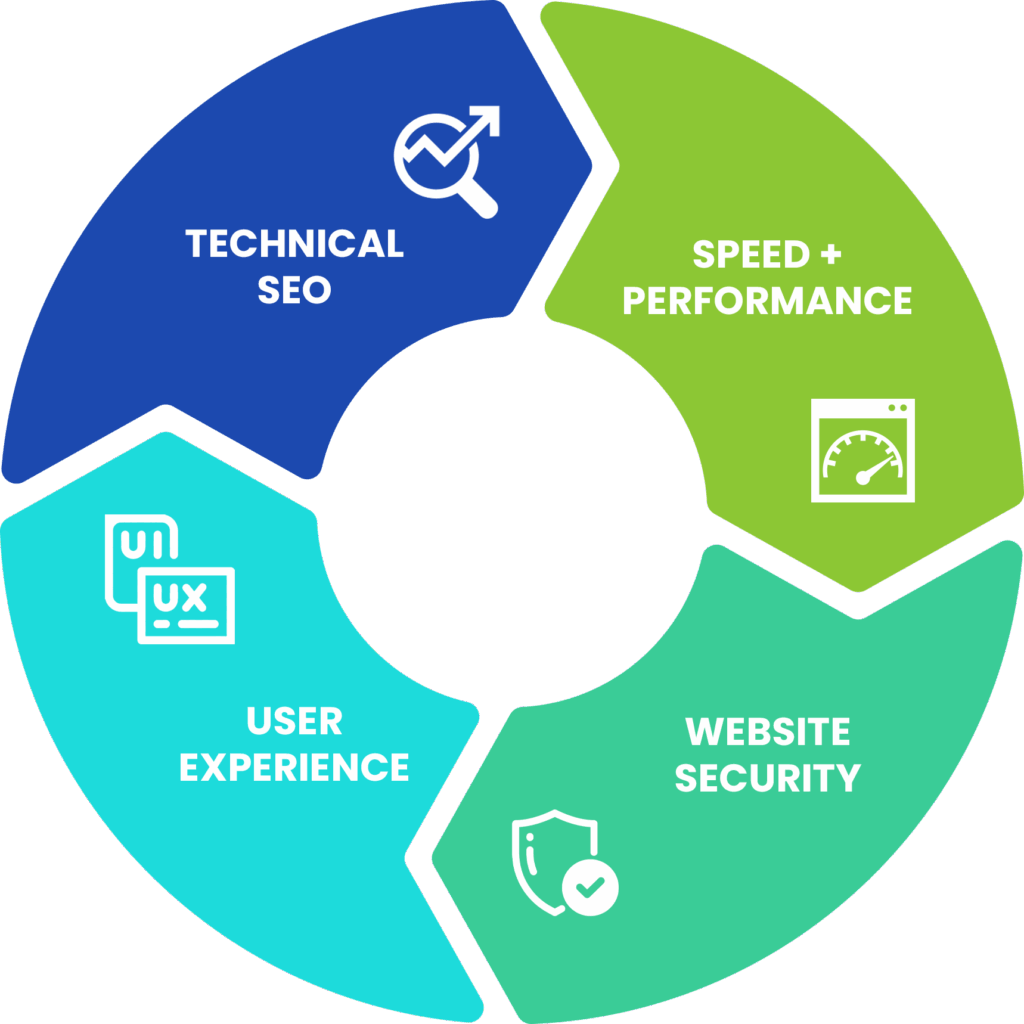
But when a site is hard to find in search, confusing on mobile, or slow to load, even the strongest program outcomes struggle to break through. The digital front door stays closed.
Common red flags include:
- Pages that take too long to load, especially on mobile devices
- Confusing navigation or broken internal links
- A lack of search-friendly structure, keeping the site invisible for relevant searches
- Content trapped in outdated systems that were never built with SEO in mind
Each issue chips away at trust. Visitors leave without taking action. Campaigns underperform. And Karen is left guessing which part of the site is responsible, without clear insight into what to fix or where to start.
Black Dog Marketing regularly audits nonprofit websites for slow load times, broken structure, and outdated software, providing clear, actionable guidance so communicators can focus on mission delivery instead of technical uncertainty.
The Hidden Costs of “Just Making It Work”
 Short-term fixes can feel necessary in the moment. A quick plugin update here. An emergency call to a freelancer there. But over time, patching becomes costly, financially and emotionally.
Without a plan:
- Plugins fall out of date, increasing security risk
- Small bugs go unnoticed until they cause problems during key campaigns
- Time and budget are spent reacting instead of building a strategy
The website becomes a source of anxiety. Karen hesitates before sharing links with board members or funders. She double-checks every campaign email, hoping nothing breaks. And each new image upload comes with the quiet worry that it might throw the layout off again.
Building Trust with the Right Technical Partner
What communications leaders like Karen are really looking for isn’t a miracle fix. It’s a partner.
Someone who explains what’s happening in plain language. Someone who understands nonprofit goals and doesn’t hide behind jargon. Someone who can connect improvements like faster mobile load times to real outcomes, such as higher volunteer signups or better search visibility for environmental work.
The right support doesn’t just troubleshoot. It helps plan, prioritize, and build confidence, not only in the website, but in Karen’s ability to report meaningful progress to leadership and the board.
What matters most:
- Clear, straightforward communication
- Reporting that ties fixes to outcomes like traffic, donations, and signups
- Consistent guidance that removes guesswork and surprises
This shift moves teams out of survival mode and into a more intentional, proactive rhythm.
Black Dog Marketing provides ongoing reporting that translates technical updates into real-world impact, giving nonprofit teams clarity and peace of mind when communicating results internally and externally.
A Site That Supports the Mission
Website management shouldn’t feel like constant firefighting. It shouldn’t mean late-night stress before campaigns or avoiding tough board questions. For nonprofit leaders carrying big goals with limited resources, the website should function like a reliable teammate, not a problem waiting to happen.
When the technical burden is shared with the right partner, the message becomes clearer, the mission gains momentum, and the pressure on communications directors like Karen begins to lift. There’s room again to focus on impact, not error messages.
And that’s what every nonprofit mission deserves.
If broken links, outdated plugins, and mobile issues are draining your time and energy, it may be time for a different approach.
Black Dog Marketing helps mission-driven organizations stay ahead of website issues through strategic nonprofit website management, removing guesswork so your site can finally reflect the heart of the work you do.