Did you know many nonprofit websites still struggle with slow pages, messy code, or broken donation links—problems that quietly push supporters away? We’ve seen it happen again and again: a communications director is told to “just fix it,” but they’re juggling five other priorities and don’t have time to babysit another tech contractor. That’s why better website support isn’t just helpful heading into 2026. It’s necessary.
Website support for nonprofits should cover much more than the basics. A site that works isn’t just up and running—it should drive engagement, grow visibility, and support the team behind it. When you’re on point for outreach and digital strategy but don’t have deep technical skills, solid support becomes your safety net and sanity-saver.
Modern Website Support Goes Beyond Tech Fixes
Some people still treat website support like it’s just a help desk for emergencies. But for nonprofits trying to grow, that old model doesn’t work anymore.
Today, support isn’t just about solving glitches. It should help teams make progress with goals that actually matter: increasing visibility, improving user experience, building donor trust, and getting better results from digital campaigns. We’ve talked to nonprofit leads who’ve said things like, “I just want the donate button to work and the homepage to make sense.” That’s what support should deliver.
The right kind of website help makes a difference you can feel. That means support teams recommend fixes before things break. They explain trade-offs in plain language. They think beyond patches and short-term band-aids. Ideally, they feel like a teammate who understands what you’re trying to do and helps you get there in less time, with fewer headaches.
This shift from tactical to strategic is especially important for stretched-thin communication directors, who are often left fielding tech questions they didn’t sign up for. Support should back you up, not leave you hanging.
Top Areas Where Nonprofit Sites Break Down
From what we’ve seen, the same few website problems pop up across many nonprofit organizations. And unfortunately, these are often the ones most likely to hit just before a big campaign.
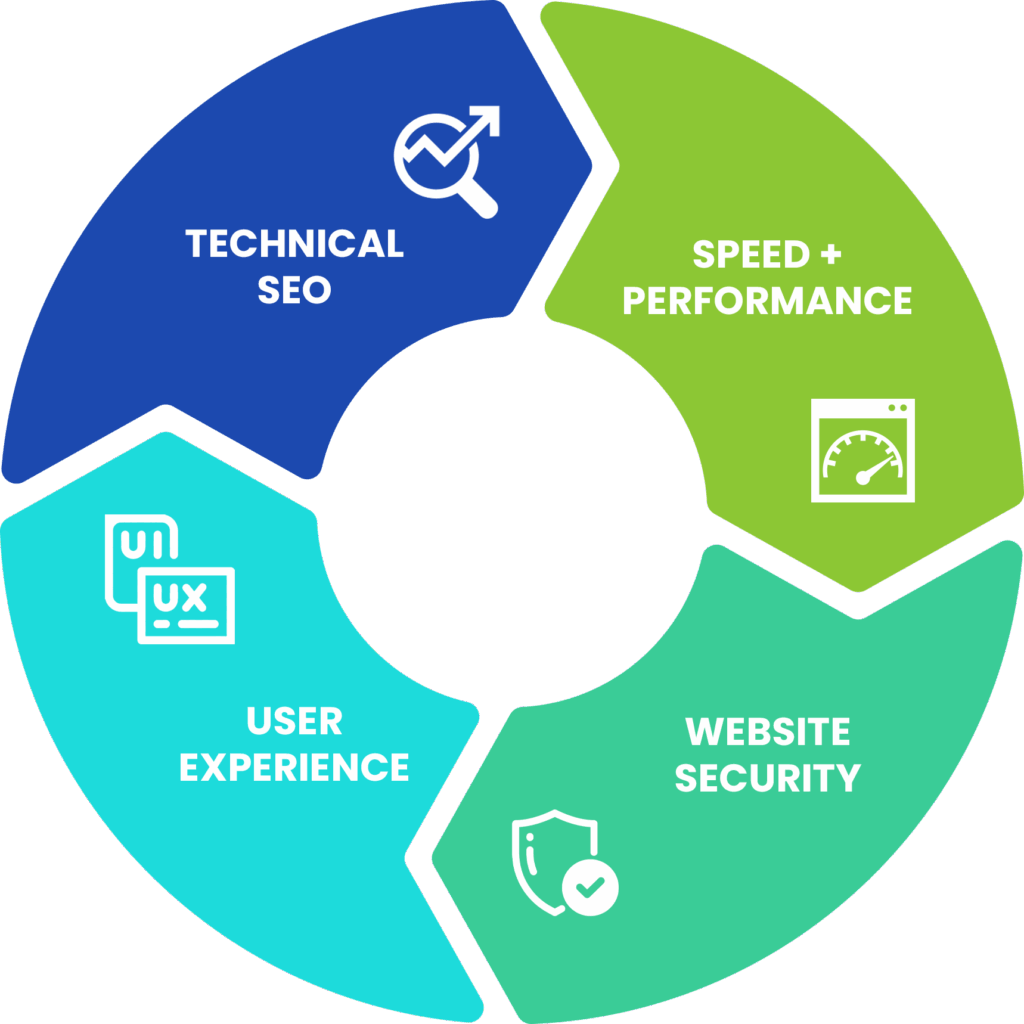
Start with site speed. Nothing tells a potential donor or volunteer to walk away like a slow-loading page—especially on mobile. If your homepage takes too long to load, people lose interest before they ever read your mission.
Then there’s the user experience. Confusing navigation or unclear page layouts make it hard for visitors to take action. If someone wants to sign up for your newsletter or donate but can’t find the form easily, that’s a missed opportunity.
Behind the scenes, technical issues stack up quickly. Plugins stop getting updates. Tools clash. Licenses expire without warning. Suddenly, a donation form goes down the night before Giving Tuesday. Without scheduled maintenance or monitoring, these issues tend to show up at the worst moments.
We’ve also seen sites where there’s no backup in place, or no one knows how to access it if things go south. The result? Expensive emergency fixes and staff spending hours they can’t afford chasing down fixes.
Black Dog Marketing has helped nonprofits resolve donation platform errors, repair broken forms, and optimize mobile speeds with regular plugin checks and monthly site health reviews.
What Website Support for Nonprofits Should Include in 2026
If you’re planning for better website support in 2026, start by asking one question: does this setup reduce my stress, or add to it?
Good support now includes regular, proactive maintenance. That means keeping your tools updated, checking for conflicts, watching for downtime, and securing the site so donor data stays safe. These basics should be part of routine service—not surprise expenses.
Equally important is reporting. Reports shouldn’t be data dumps filled with numbers you can’t explain to your board. They should tell a story: what’s working better, what’s still struggling, and what needs the green light from leadership.
And let’s talk about communication. You shouldn’t need a dictionary to understand what’s being fixed or why it matters. Support should use plain-language explanations and walk through problems—especially when those problems affect monthly engagement metrics or critical funding reports.
It also helps when your support partner understands fundraising calendars, campaign timing, donation platforms, and storytelling—because they’re not just fixing code. They’re helping you hit goals that matter to your mission.
Black Dog Marketing’s website support programs offer monthly reporting dashboards, plain-language updates, and hands-on reviews of campaign- or event-specific landing pages.
Future-Proofing: Preparing for the Tech Changes Ahead
The digital bar is getting higher each year, and by the end of 2026, some things that used to be “extras” will simply be expected.
For example, search engines now use Core Web Vitals to rank websites. That means performance metrics like load speed and visual stability aren’t just developer preferences—they affect whether people find you in search results. If your site is slow or buggy, it can disappear from view, no matter how compelling your cause is.
Accessibility is another area that’s moving from “nice to have” to “non-negotiable.” If your website isn’t usable by everyone—including people using screen readers or mobile readers—it’s not meeting modern standards.
Then there’s cross-platform integration. Syncing your site with your email platform, donor CRM, or event tools used to be optional. Now it’s core to measurement, engagement, and campaign success.
And yes, AI tools are entering the mix. Whether it’s better search, user personalization, or simple chat responses, your site structure and support systems need to be strong enough to add those tools later. Future-proofing means stability now and flexibility later.
What Strategic Website Support Looks Like for Nonprofits
If you’re wondering what sets strategic website support apart, look at how well it fits your mission cycle.
Nonprofits follow deeply predictable rhythms—Giving Tuesday, spring events, annual reports, grant deadlines. Your support should match that pace. That means planning ahead for traffic spikes, campaign content, and updates that need to go live on tight timelines.
Strategic support also means someone is thinking about things beyond tech. They’re shaping structure to support search visibility, making sure pages meet accessibility standards, and helping you tell a stronger story online.
Finally, strategy is about alignment. Does the website reflect what your team is accomplishing offline? Can board members or funders see progress through your digital footprint? Your support team should help connect the dots between the technical and the mission-driven.
What a Good Website Partner Gives You (Besides Peace of Mind)
When support works the way it should, it frees up headspace. You’re not dealing with late-night crashes, broken links, or confusing reports you can’t translate for your board. You’re spending more time shaping your message and less time chasing errors.
In the end, the right support protects your team’s time, keeps your tools working, and makes your digital work more impactful. It’s not just maintenance. It’s momentum, stability, and clarity—so the story you’re telling online matches the change you’re making in the world.
When your team is stretched thin and your site becomes a barrier instead of a tool, it’s time to rethink your approach to website support for nonprofits. At Black Dog Marketing, we help organizations like yours stay ahead of tech issues, protect donor trust, and make web maintenance a manageable, stress-free part of your outreach strategy.