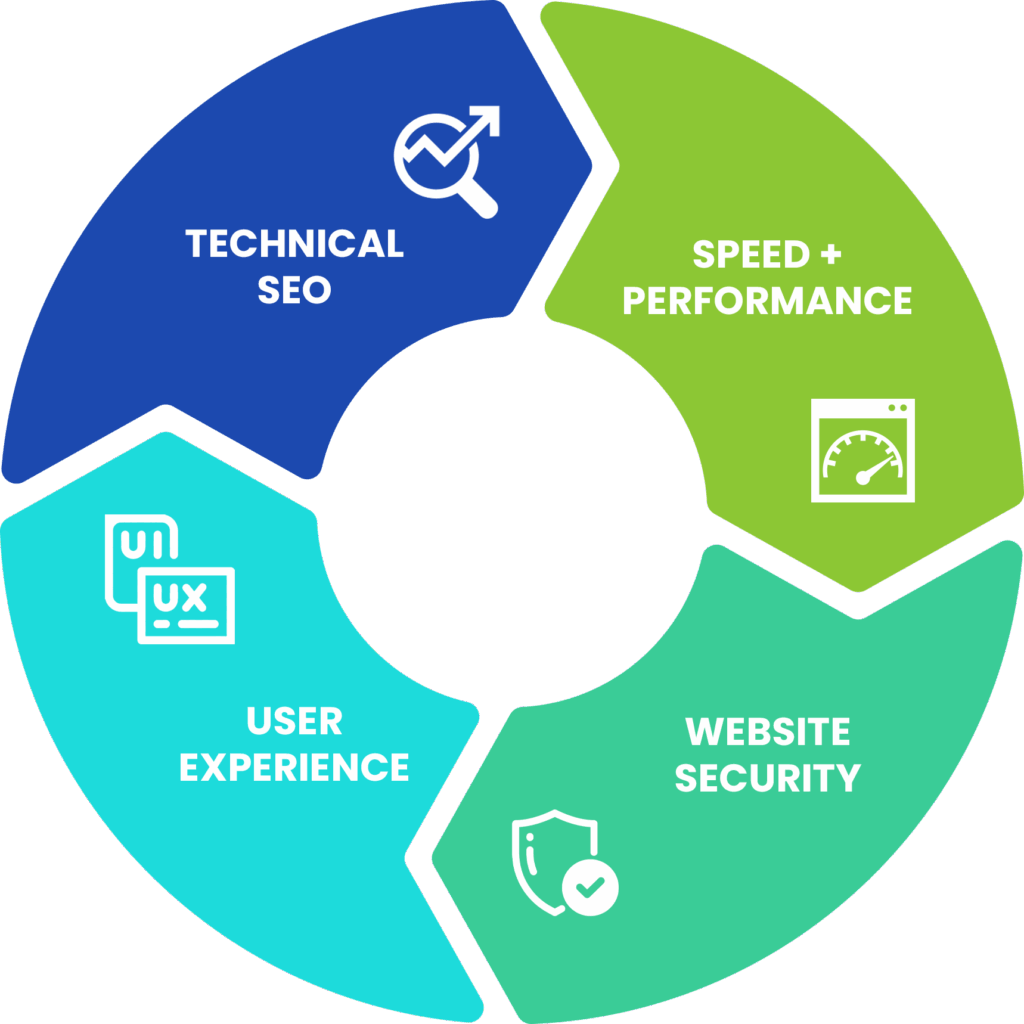
Website Speed Is a First Impression
 Visitors make quick judgments online. If your homepage or donation page takes too long to load, many people will leave before they read a single sentence. On mobile, where attention is even shorter, slow load times feel like a dead end.
Those delays are not minor annoyances. They can make your organization appear outdated or less capable, even when your programs and fieldwork are strong and current.
- If key pages take more than a few seconds to load, donors may assume something is broken.
- Younger supporters spend most of their time on mobile and are not likely to wait for a lagging site.
- For many environmental nonprofits, the website is the first and only introduction a new supporter gets. If it feels slow, the urgency of the mission does not come through.
Slow Sites Hurt Donations and Signup Rates
You can build strong momentum through email, social media, and events, then lose it on the final click. When a site drags, donation and signup forms often become the silent bottleneck that weakens campaign results.
Most users will not wait through a long load time. They click away assuming the page is broken, insecure, or not worth the effort. During Earth Month and spring appeals, that friction matters even more because expectations are higher and attention is shorter.
- Donation pages that load slowly often lead to abandoned transactions.
- Volunteer and email signup forms get skipped when they feel stuck or unresponsive.
- Event campaigns lose steam when RSVP pages lag during peak promotion days.
The Real Causes of Speed Problems Are Usually Hidden
Many communications leaders can tell when a page feels clunky, but they cannot always see what is causing it. That is normal. The problem is often buried in the backend, not on the page itself.
Slow load times often come from a mix of outdated plugins, oversized images, and layers of scripts from tools, trackers, and widgets that put too much strain on basic hosting. These problems build quietly over time, especially when no one is reviewing performance regularly.
- Outdated plugins or themes may be running inefficient code.
- Large, uncompressed images can dramatically increase load time.
- Too many scripts from forms, analytics tools, and widgets can overload the site.
Slow Performance Undermines Donor Trust and Board Perception
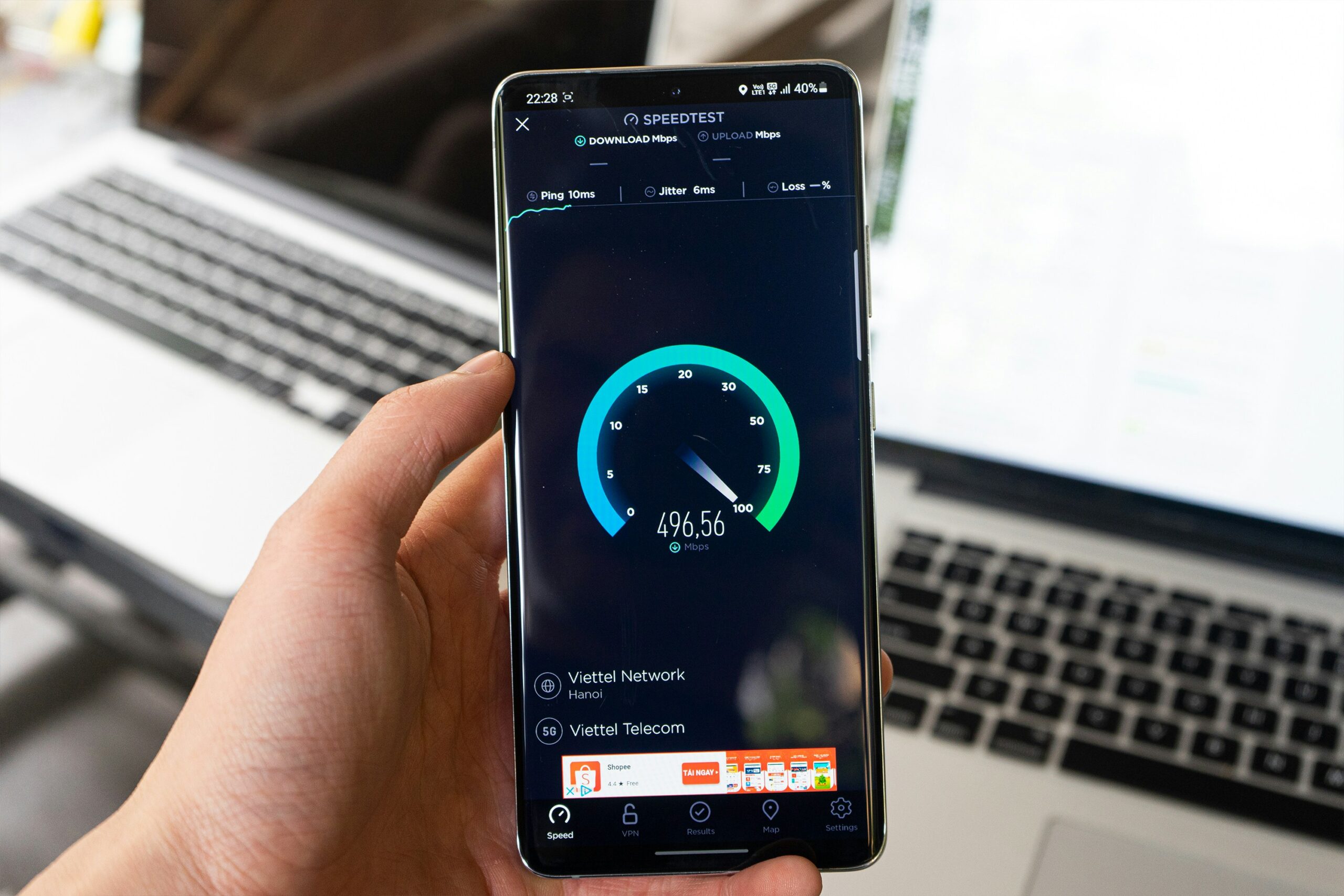 Trust does not start with your mission statement. It starts with how easy it is to use your website. When the site feels slow or hard to navigate, supporters may never tell you what went wrong. They simply leave.
That kind of friction affects more than donations. It also shapes how leadership interprets campaign performance. If engagement is low, board members may assume the message missed the mark when the real issue was technical performance.
- A sluggish site sends quiet signals that the organization may not be keeping up.
- Donor confidence drops quickly when pages involving money do not load well.
- Flat campaign metrics may reflect a speed problem, not a messaging problem.
Why Speed Belongs in Your Nonprofit Digital Services Plan
Website speed may sound like a backend conversation, but its impact shows up everywhere you care about results. Faster pages improve the supporter experience, protect trust, and help your campaigns convert more efficiently.
When speed becomes part of your nonprofit digital services plan, it is easier to catch issues early and fix them before they undercut a key campaign. That is especially valuable for lean teams already juggling content, donor outreach, and board expectations.
- Speed issues are silent trust breakers that compound over time.
- Fixing them improves both technical health and supporter experience.
- Building speed into your digital services plan helps protect your message when your team is stretched thin.
Lasting Speed, Lasting Impact
A faster website does more than perform better. It gives your story a better chance to land. When pages load quickly and forms work smoothly, supporters stay longer, engage more deeply, and are more likely to come back.
That is why speed is not a nice-to-have. It is part of how your organization builds trust online, especially during high-traffic seasons when every click matters.