Does your nonprofit’s website help people find your work, or is it quietly working against you? It’s a question more leaders are starting to ask, especially when search traffic or email signups start to stall. As environmental nonprofits stretch to reach new supporters, small technical details and content habits can either build momentum or quietly block it.
Even with limited time and resources, spotting what helps versus what hurts your online visibility can lead to better content performance, stronger donor trust, and more consistent web traffic. If you’re already investing in nonprofit SEO services, being aware of these patterns makes that work even more effective.
Let’s walk through common website habits we’ve seen cause visibility issues, and what to focus on instead.
Spotting the Red Flags: Website Habits That Hurt SEO
Not every issue on your site is obvious. In fact, the most damaging problems are often the ones hidden in plain sight.
- Using the same page titles or descriptions over and over leaves users and search engines with no clue what makes each section of your site special
- Oversized photos or uncompressed videos may look great, but they can slow pages down so much that people drop off before taking action
- Pages that haven’t been touched in years, especially ones with past events or outdated programs, signal to search engines that your content isn’t being maintained
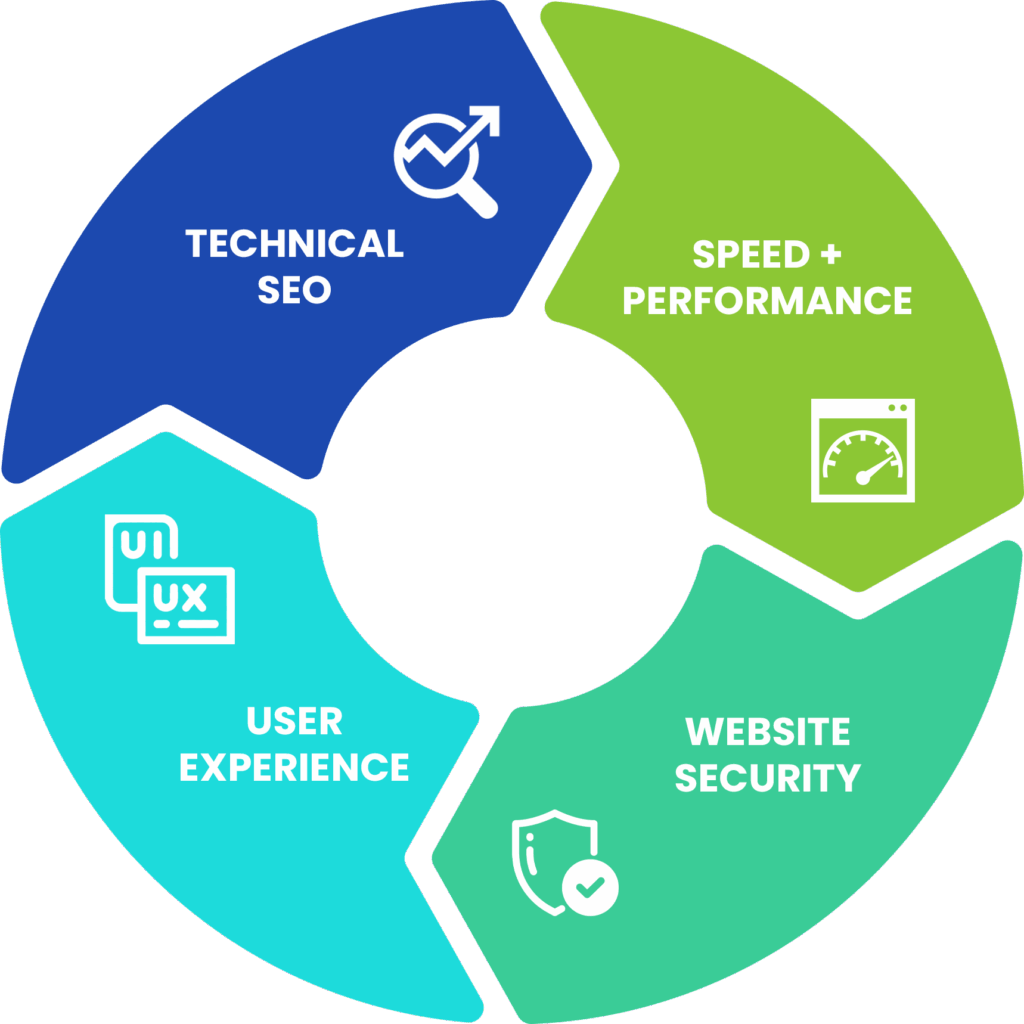
Each of these missteps can slowly reduce your site’s visibility over time. For instance, using repeated titles not only confuses visitors, but it also makes it harder for your pages to appear in search results for their intended topics. As a result, your nonprofit could be investing in creating helpful content that’s simply not discovered by the people you want to reach.
When photos or videos are too large, they can cause your site to feel sluggish, especially on mobile devices where supporters may check your updates or try to donate. This extra load time increases the chance that potential donors or volunteers will leave before taking action. Regularly reviewing your media and compressing files is a small step that keeps your site speedy and accessible.
And when you keep old, outdated pages live, such as last year’s event pages or programs that are no longer running, you send a message to search engines that the site is outdated. These pages can pile up and make it harder for fresh, updated content to get noticed. Taking some time each quarter to clean up or update stale pages signals to search engines (and your audience) that your nonprofit is active and engaged.
These mistakes can chip away at how and where your site shows up in search results. Over time, traffic can slow down, even if your mission and work haven’t changed.
Unintended Blocks: How Technical Gaps Can Hide Your Work
Sometimes you’re doing everything right content-wise, but still can’t break through. The reason may be buried in how your site is built or maintained.
- Missing alt text or page headers (like H1 tags) can confuse search engines that rely on structure to understand what your site is about
- Broken links or outdated redirects harm user experience and send signals that the site may not be trustworthy
- If your nonprofit SEO services partner hasn’t reviewed your robot.txt file or sitemap recently, there’s a chance search engines aren’t indexing some of your pages at all
Technical SEO details can be tough to spot without specific tools or experience. For example, when alt text is missing from images, search engines can’t “see” what your photos represent. That means your important visuals don’t contribute to your search visibility, and they also become less accessible to visitors using screen readers.
Page headers, like H1 tags, are equally critical. They tell search engines the main idea of each page and help organize your content for both crawlers and readers. Without them, even well-written pages can get lost.
Broken links are another invisible problem. They frustrate supporters who click through looking for information, and when search engines find broken paths, they may assume your site is neglected. This can make your content less likely to be recommended to others, even if it’s valuable and relevant.
Even technical files like robots.txt or sitemaps play a role. Outdated settings or missing files can accidentally block important sections of your website from search engines. This means some of your best pages might never appear in search results, no matter how much effort you put into them.
Unless someone looks closely, many of these issues never get flagged. But they quietly limit how many people find your content, no matter how good that content is.
Good Intentions, Bad SEO: Content Mistakes That Backfire
Even well-meaning choices can limit visibility when there’s no strategy behind them. These are the fixes that feel helpful but often make things worse:
- Writing copy filled with internal terms or “insider” language makes sense to your team, but search engines, and the public, may not understand it
- Posting annual reports, grant updates, or program wins only as PDFs keeps those materials hidden from search engines
- Publishing blog posts or resources without linking to them from core pages makes them float aimlessly on the site, hard for both users and search engines to reach
It’s common for nonprofit teams to use language that feels natural in daily work. However, relying heavily on acronyms, program names, or internal wording often means new readers (and search engines) are left behind. To boost understanding and reach, focus on words and phrases your supporters might actually use to search for your mission or topic areas.
Reports and program updates are crucial for transparency and donor trust, but when they live only as PDFs on your site, search engines usually can’t read or rank their content. That means important findings, stories, and impact data remain nearly invisible online. Whenever possible, create summary pages or blog posts that highlight main points and link back to the full document for download.
If new resources are published but not linked through menus or high-traffic pages, they effectively become digital “islands.” Even if someone searches for them, they might miss finding what your nonprofit has to offer. Regularly review where and how you link to new content, making sure every helpful piece has a path from your main site sections.
Without realizing it, you could be doing a lot of work that search engines never reward, simply due to how and where it lives on your site.
Turning Things Around: Habits That Help Your Site Rise
Fortunately, the fixes don’t have to be massive. Small changes, done consistently, can make a big difference over time.
- Update your most-visited pages with stronger headlines, brief summaries, and links to related content, it helps people move through your site and helps search engines connect the dots
- Use clean, readable URLs and clear meta descriptions to make your pages easier to index and click on from search results
- If mobile issues are holding you back, using nonprofit SEO services to optimize speed, structure, and mobile layouts can level the playing field against larger organizations
- When your team thinks of storytelling in terms of searchable content, like questions people ask or phrases they use on Google, you naturally start creating more visible, useful pages
Getting started with improved habits might seem daunting, but even setting aside an hour each month to review your top pages or fix a handful of broken links pays off in the long run. Strong headlines and relevant summaries at the top of important pages reassure readers that they’re in the right spot and also guide search engines in ranking your materials. Linking related articles or resources together helps both users and crawlers learn more about your mission without getting lost.
URLs and meta descriptions aren’t just for developers. A simple, readable link (e.g., /community-cleanup) is not only easier for users to remember, but it also tells search engines exactly what a page is about. Short descriptions in search results encourage more people to click through, which leads to more eyes on your work.
With so many supporters and potential donors browsing on mobile devices, speed and structure matter more than ever. Optimization isn’t a one-time fix; it’s a habit made easier with professional support. Improving mobile layouts and compressing files helps your content reach the widest audience possible, especially for time-sensitive campaigns or urgent updates.
Lastly, consider how your audience might discover you. If your content answers real questions or describes results in words your community actually uses, search engines are more likely to match your site with interested supporters. This mindful approach turns storytelling into a measurable asset for reaching your goals.
At Black Dog Marketing, our services cover both technical and on-page SEO fixes, so organizations can see the benefits in search visibility without major overhauls. We offer audits and hands-on optimizations, such as restructuring site navigation, improving on-page content, and eliminating invisible technical barriers.
It’s not about chasing trends or doing everything perfectly. It’s about building habits that help your website support the real work your nonprofit does every day.
Peace of Mind Starts with Smarter Website Habits
Your website doesn’t need to be flawless to be effective, but it does need to stop working against you. Common habits like broken links, repeated headlines, or vague content might seem small, but they make a real difference in whether your site gets found and trusted.
By shifting toward more intentional content updates and flagging simple technical issues early, your site becomes a more reliable tool for outreach. That means fewer surprises, less stress, and more followers, donors, and volunteers seeing the impact you’re proud to share.
Struggling to improve your site’s visibility but short on time to handle all the technical details? We team up with mission-driven organizations to identify what’s slowing their websites down and create an actionable, realistic plan for better results.
Whether your biggest roadblocks are slow load times, outdated content, or hidden indexing issues, our nonprofit SEO services are designed to drive measurable outcomes like stronger donor engagement and increased reach.
At Black Dog Marketing, we work alongside you to translate complex strategies into steps you can trust. Let’s discuss what your organization can achieve, contact us today.