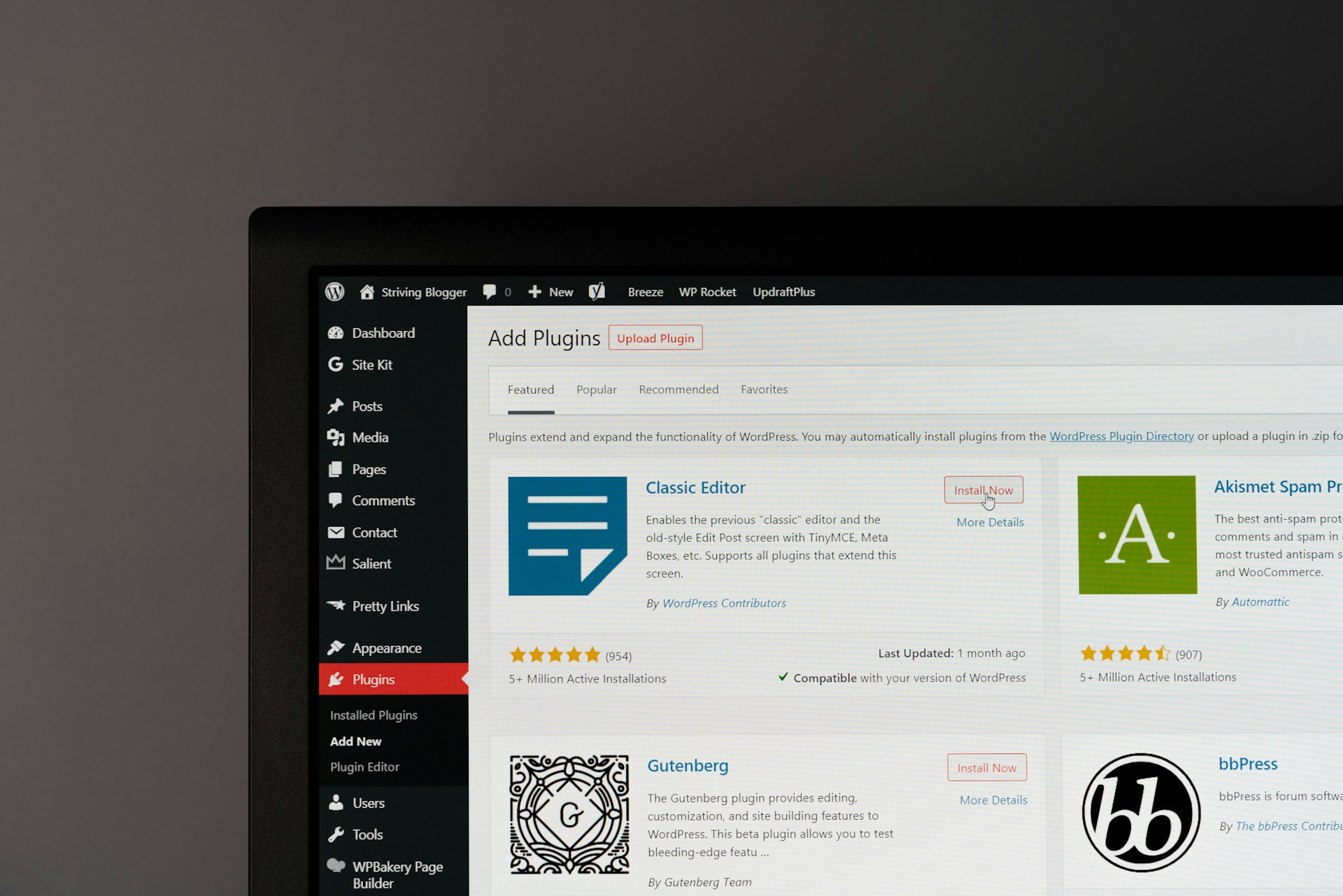
Having access to your WordPress dashboard does not mean you have a digital strategy. It is easy to fall into the habit of thinking website access equals control, but when you are juggling spring campaigns, donor communications, and event outreach, clicking around the backend does not get you real results. Many environmental nonprofits using WordPress for nonprofits appreciate the platform’s flexibility, but too often, the dashboard becomes the destination instead of the launchpad.
This season is especially busy for organizations across Northern California. It is campaign time, and every delay, broken link, or slow-loading page has ripple effects: missed donations, frustrated visitors, lost opportunities. If your team is stretched thin and reacting to tech issues instead of guiding a clear outreach plan, it may be time to rethink what strategy actually looks like.
Let us break down why those backend updates are not a plan, and how a true digital foundation sets you up for better visibility, stronger engagement, and lower stress when it matters most.
The Limits of the WordPress Dashboard
The WordPress admin panel is helpful, but on its own, it is not a plan. It is where updates happen, not where outcomes are defined. If your day starts with toggling settings or browsing plugin options, it might feel like progress, but busyness is not the same as clarity.
When goals are not documented, data is not tracked, and measurable fixes are missing, you are likely making reactive decisions. A change here, a new plugin there. Leadership sees “activity,” but traffic stays flat, and conversions (like donations or email signups) do not move.
Here is where that dashboard loses its value:
- Productivity becomes confusing: lots of changes, no clear results.
- Priority issues go unnoticed: user experience gaps and search engine blind spots stay hidden.
- Confidence takes a hit: your team works hard, but the site cannot show it.
That feeling of “we updated the site, so why isn’t it working?” usually starts here.
What’s Actually Missing from Most Nonprofit Sites
What looks fine in the dashboard is not always fine on the front end, or under the hood. Unless you know where to check, issues go unnoticed until they start affecting your donors or event participants.
Common blind spots include:
- Slow load times, especially on mobile devices.
- Broken formatting that disrupts donor forms or makes buttons hard to tap.
- Metadata that is missing or mismatched, hurting how your site appears in search results.
Security often gets skipped, too. An unchecked plugin conflict might not sound urgent until your donation page crashes during a major campaign push. Or when a grant deadline hits and your contact forms no longer collect entries the right way.
Sometimes it is not even a technical problem. A cluttered menu or unclear call-to-action confuses people just as much. If someone is motivated to volunteer or donate, and your site does not help them get there fast, that moment might be lost.
What a Real Strategy Looks Like (And Why It’s Not DIY)
A good strategy gives you a roadmap. It is not about updates, it is about direction. For nonprofits using WordPress for nonprofits, it is about building your site around the people you are trying to reach.
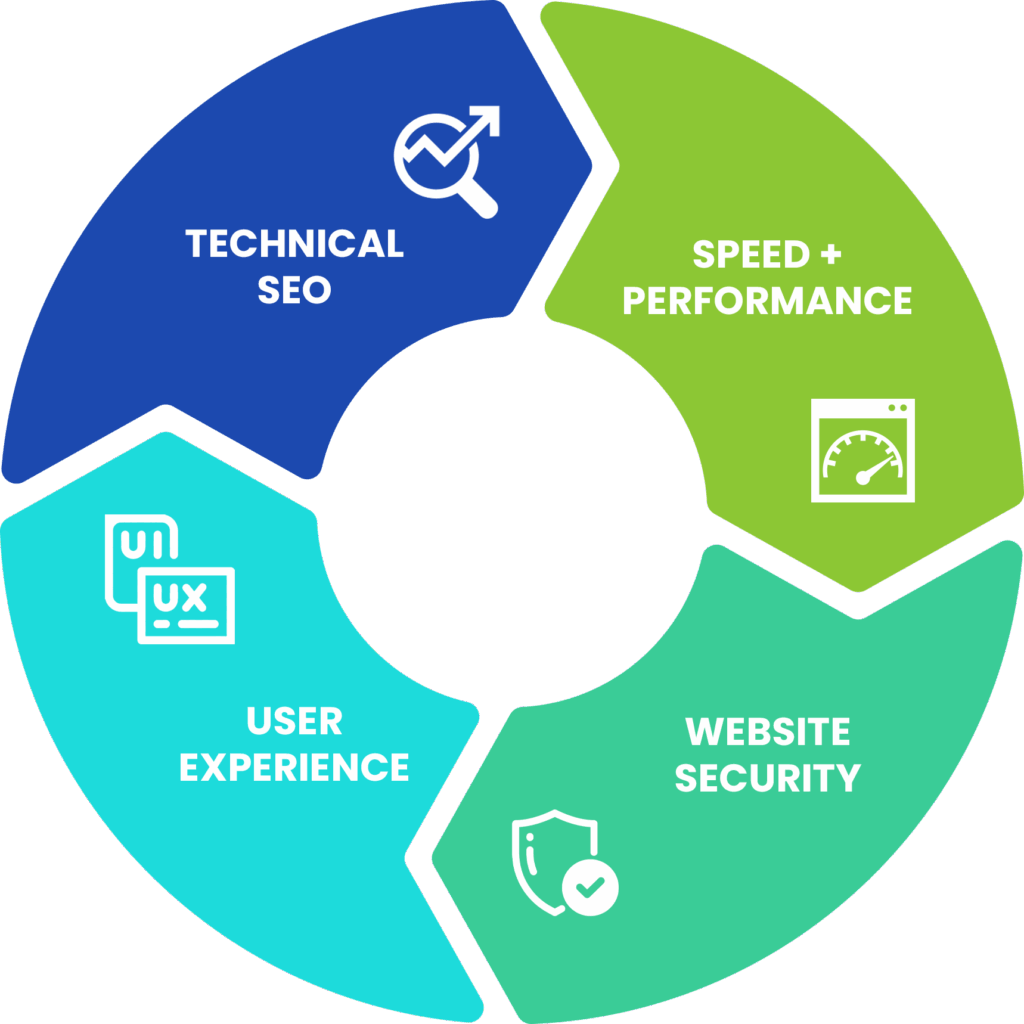
Think of strategy in terms of visibility, speed, and flow. Are you showing up in searches the way you want? Does your site load fast enough to keep attention? Do supporters know what to do next, and are they doing it?
That kind of clarity takes more than tool knowledge. It includes:
- Regular audits to catch issues before they spread.
- Search structure that matches what your audience is actually looking for.
- Aligned goal paths, so outreach connects with donation and sign-up flows.
- Technical maintenance that fits into your campaign schedule, not disrupts it.
Doing this right means having someone who can see the full map, not just the next plugin to install.
Why Nonprofits Get Stuck in Dashboard Mode
It is not always a choice. Nonprofits stay in dashboard mode for a reason, and it often comes down to pressure, past experience, or survival.
- Resource gaps: When one person is managing updates, emails, reports, and events, dashboard fixes feel like all you can do.
- Burnout from poor support: If you have worked with vendors that left you disappointed or confused, it gets harder to trust bigger changes.
- Tech stress: It is easy to freeze when decisions involve words you do not fully understand, especially if you have to explain them to the board.
You are not wrong to be cautious. You just need a plan that does not rely on your personal bandwidth or ability to explain every fix in detail.
Signs It’s Time to Step Back and Reset
You do not need a crash to know your site is not working. Most signs are more subtle. If you have had any of these lately, you are not alone:
- Your site loads, but traffic is flat and email signups have stalled.
- Supporters get confused about what you offer, and you are constantly clarifying.
- You are stuck in patch mode every time a campaign launches, hoping nothing breaks.
When your team is working hard but the numbers do not reflect it, or when you feel embarrassed sending people to your homepage, it is usually a sign that surface-level fixes are not enough.
Move from Updates to Impact
A website is more than the sum of its features. Updates matter, but impact comes from direction. When your dashboard becomes a to-do list instead of a decision tool, it is easy to lose sight of what good digital outreach even looks like.
This spring, with so much outreach happening across environmental causes, it is the perfect time to pause and ask: Is your tech helping your mission move forward, or is it holding it back?
Getting your foundation right now helps build trust when it matters most. Better visibility boosts traffic. Better structure boosts signups. Better alignment means your audience clearly sees the work you are doing, and believes in it enough to take the next step.
Turn Your Dashboard Into a Strategy with Expert Support
Black Dog Marketing specializes in custom website development, technical maintenance, and ongoing SEO support for purpose-driven organizations. Our WordPress website services include mobile optimization, security monitoring, and complete technical audits, ensuring every aspect of your nonprofit’s online foundation helps your mission go further.
Tired of guessing what is actually working on your site and what is standing in the way? Black Dog Marketing helps nonprofits transform clunky dashboards into purposeful outreach tools by aligning structure, speed, and story throughout your online presence.
From optimizing mobile performance to increasing search visibility, we empower you to get more out of WordPress for nonprofits. Let us uncover what is missing and clear the path for greater impact. Contact us today to get started.