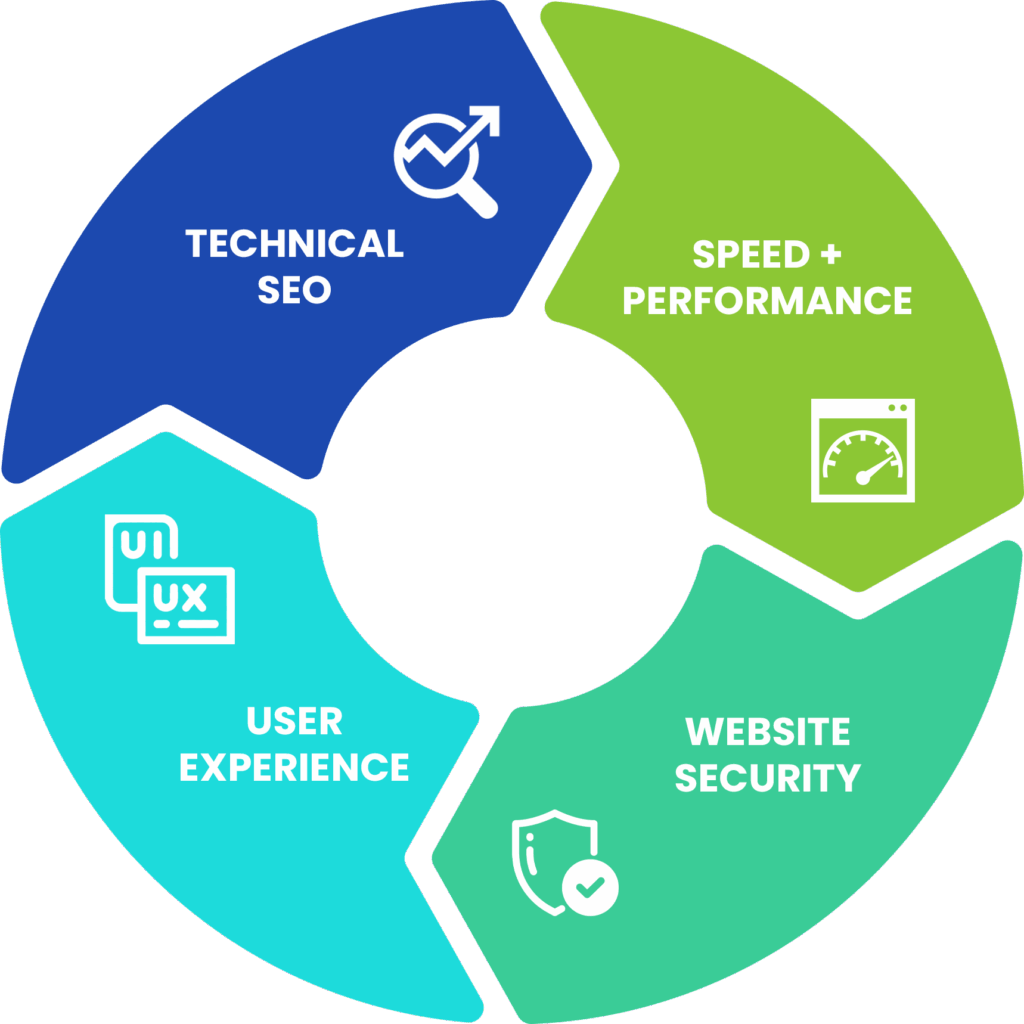
Summer campaigns are often a high-stakes push for many nonprofits, especially when it comes to engaging loyal donors. But behind the scenes, there is another issue that quietly affects trust and giving, an underperforming website. Things like slow page loads, broken buttons, or mobile glitches do not just create frustration. They lead to missed donations and weaker engagement.
When your team is already stretched thin, these technical problems can feel small at first. But over time, they chip away at results. With proper nonprofit website optimization, you can fix what is holding your site back and make summer giving smoother for supporters. Here is how tackling the technical details can directly support donor retention this season.
Site Speed Affects First Impressions and Donations
 No one likes to wait for a page to load. That is especially true for donors who are ready to support a cause but get stalled by spinning wheels or long delays. When your homepage or donation form lags, on either mobile or desktop, many users will not stick around to see what happens next.
Donor disappointment can happen in seconds. Even if your message is strong, a slow site creates doubt. People start to wonder whether their transaction will go through or if the site is secure. That hesitation turns into clicks away from your page, and just like that, another gift is lost.
Improving performance does not mean redesigning everything. In fact, small back-end steps often make a big difference:
- Compressing and lazy-loading images so they do not clog up the page
- Upgrading hosting for better uptime and speed
- Cleaning up outdated scripts, plugins, or bulky blocks of code
A faster site helps your campaigns start stronger and gives visitors one less reason to leave before completing their donation. Back to “In This Article”
Functionality That Builds (or Breaks) Donor Trust
Trying to donate should not feel like jumping through hoops. But that is exactly what happens when nonprofit websites have outdated links, broken forms, or confusing page layouts. These issues are not just frustrating, they make people question your professionalism.
Trust online is built through small signals. A clear path to donate, confirmation messages that actually load, and buttons that work on the first click all send a message: we are on top of things. Miss those moments, and even your most loyal supporters may hesitate to give.
We recommend routine check-ins that include:
- Scanning for broken links or outdated redirects
- Testing donation forms for errors or missing fields
- Checking how easy navigational paths are to follow (especially on key campaign pages)
The more seamless the experience, the more confidence you build, and that spreads across every interaction you have with donors. Back to “In This Article”
Mobile Experience Matters More Than Ever
In summertime, many people skim email or social posts while out and about. That means your audience is visiting your website from phones and tablets more often. If your site does not respond well on mobile, those visits could be your last touchpoint with potential givers.
A site that is not mobile-optimized causes a handful of problems fast:
- Tiny fonts that are hard to read
- Buttons too close together or too small to click
- Pages that shift or break when scrolling
These are the kinds of things that prompt people to abandon the process halfway through. To keep attention, and gifts, coming, the design needs to adapt smoothly to different screen sizes. Responsive layouts, logical content flow on small screens, and fast mobile speeds all help keep donors on track. Back to “In This Article”
Behind-the-Scenes Fixes That Improve Search and Reach
 Most people find nonprofits through search, or do not find them at all. That is where quiet technical fixes play a big role. When your site is set up properly behind the scenes, you are much more likely to show up when someone searches for your cause.
This is where nonprofit website optimization matters. Clean coding, well-written meta descriptions, and alt text on images all help make your site readable to search engines. Skip those, and your visibility drops, even if your content is strong.
Areas that often need attention:
- Making sure every page has a unique meta title and description
- Fixing HTML errors or broken schema markup
- Checking for duplicate content or redirect issues
Think of it like this: if your summer campaign content cannot be found through search, you are missing a whole group of potential supporters before they even get to your message. Back to “In This Article”
Stable Backend = Less Emergency Firefighting
We have seen what happens when a donation form breaks mid-campaign: phones start ringing, donations drop off, and the communications team has to stop everything to troubleshoot. These are the kinds of web emergencies that sap morale and take up precious outreach hours during a season when every day matters.
With a stable backend, there is less panic and more focus on connecting with supporters. Getting ahead of summer issues means making time now for well-timed updates:
- Checking plugin compatibility before installing WordPress or CMS updates
- Backing up your site on a reliable schedule
- Running seasonal stress tests to check how the system holds up under high traffic
This kind of prep work does not attract attention, but it pays off when you are in the middle of your summer campaign and everything works as it should. Back to “In This Article”
Digital Peace of Mind Means More Engaged Donors
Black Dog Marketing’s website services for nonprofits include technical analysis, mobile optimization, and donation flow repairs, supporting organizations in Sacramento and beyond. We focus on providing rapid troubleshooting, technical updates, and practical website fixes so your staff can stay focused on campaign momentum, not delays.
Donors can tell when a site feels trustworthy. They may not notice each technical piece, but they notice how it makes them feel. A site that loads quickly, looks clean across all devices, and completes donation steps without trouble leaves a good impression.
When we take the time to fix what is under the hood, it gives our stories room to shine. Strong messaging paired with smooth tech builds trust. It keeps campaign momentum steady and lets us spend more time engaging, less time fixing. That results in better outcomes, not just in summer, but year-round.
When summer campaigns stall because of tech challenges, our team can help you get back on track. We support nonprofits by diagnosing issues that hinder growth, from broken donation forms to slow pages and outdated plug-ins. Through thoughtful nonprofit website optimization, you can create a faster, more trustworthy experience for both staff and supporters. Black Dog Marketing works alongside mission-driven teams to address the technical details, so your digital presence truly reflects your organization’s impact. Ready to move forward? Contact us today. Back to “In This Article”