Spring often feels like a reset for many mission-driven organizations. It is also when nonprofit website management becomes more important as environmental nonprofits ramp up outreach, fundraising, and Earth Day campaigns. If your website is slow, difficult to update, or unreliable, your busiest season can quickly become more stressful than strategic. It is when many environmental nonprofits ramp up outreach and fundraising for Earth Day and other spring campaigns. But if your website is glitchy, slow, or hard to manage, you are not entering your busiest season with confidence.
That is why more communications directors are evaluating whether outsourced nonprofit website management could reduce stress, improve website performance, and create more consistency before major campaigns launch. If your team is stretched thin and your site keeps creating drag, it may be time to look at what outside support could actually solve.
When Nonprofit Website Management Starts Pulling Focus From Communications
 You were hired to lead communications and tell your organization’s story, not spend weekends fixing broken buttons or hunting down old logins. But website tasks have a way of creeping in until they take over your day.
- You spend more time updating staff bios or troubleshooting forms than planning next quarter’s campaign.
- Website issues keep pulling you away from donor emails, content planning, or program promotion.
- You worry something will break right when a major campaign launches, or when leadership notices outdated content on the homepage.
It is not just about time. It is about headspace.
When your communications team is small, burnout shows up fast. One teammate managing newsletters should not also be responsible for plugin updates, security issues, and emergency website fixes.
What Happens When No One Owns Website Health
A lot of nonprofits patch website support together. One internal staffer posts blogs, a freelancer gets called when something breaks, and IT helps when they can. Without clear ownership, small issues go unnoticed until they become bigger problems.
- A failed form submission or plugin error may go unseen until someone reports it.
- Broken links, slow pages, or skipped updates can quietly hurt signups and search visibility.
- Technical debt builds in the background because everyone assumes the site is “fine for now.”
That approach rarely saves time. It usually means the next campaign runs into preventable friction. And when something is broken or outdated, supporters notice fast. Trust can erode in seconds.
Should You Outsource Nonprofit Website Management?
 Spring is when everything speeds up, events, fundraising, and new programs all at once. If your site always feels one step behind, that is worth paying attention to.
- Ask whether your current team has the capacity and technical skill to keep the site secure, current, and working well across devices.
- Remember that outsourcing does not mean handing off your voice or your brand. The right partner adds technical clarity and proactive support.
- Know the difference between a one-off web vendor and an ongoing support partner who understands nonprofit realities and can help you scale without constant firefighting.
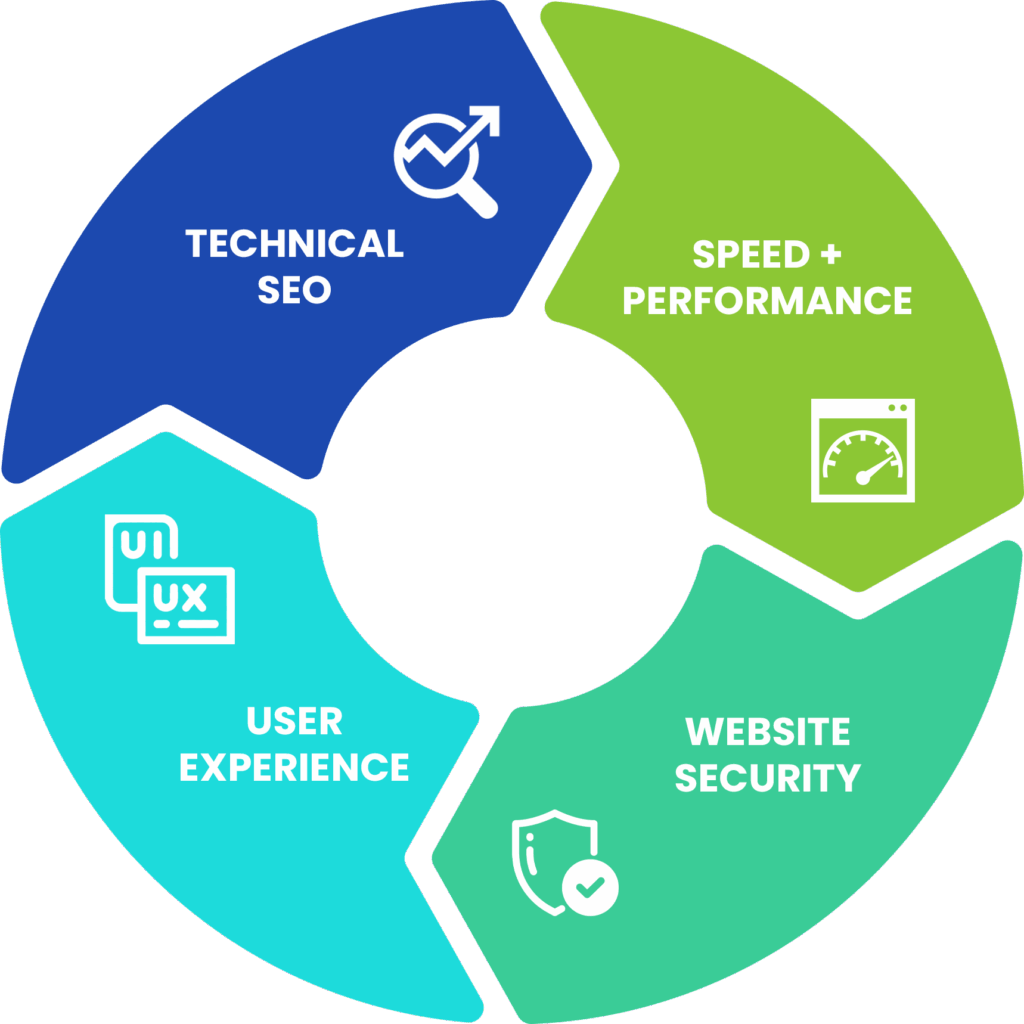
Effective nonprofit website management is not just about fixing bugs or handling updates. It is about keeping your website fast, secure, searchable, and aligned with your organization’s outreach goals throughout the year.
How to Make the Case to Leadership and the Board
Outsourced support can feel like a big ask, especially when leadership sees technology spending as overhead. Often the issue is framing.
- Translate website risk into mission impact. Instead of saying the CMS is outdated, explain that slow mobile pages may be costing donor conversions.
- Point to specific moments when the site fell short, a stalled Earth Day campaign, a broken form, or missing metrics tied to grant reporting.
- Position website support as preventative care, not another expense. A fast, stable site supports campaigns, builds trust, and reduces emergency costs later.
If people are already frustrated with the current site, this is often the right moment to introduce a more strategic approach. You are not asking leadership to fix technical problems themselves. You are showing them how better support removes roadblocks across the organization.
Better Support Leads to Bigger Impact
When website management is handled well, your team gets time and confidence back. Campaigns launch with fewer surprises. Donors have a smoother experience. And leadership has a clearer picture of how digital performance supports real outreach goals.
A healthy site leads to stronger campaigns, better supporter trust, and fewer last-minute scrambles. It also makes it easier to send people to the site with confidence, track results, and focus on the parts of your job that actually move the mission forward.
If this sounds familiar, it may be the right time to take a closer look. Schedule a Visibility Report or request a website management consultation to make sure your site is ready to support your next campaign with confidence.
When tech headaches keep pulling attention away from your mission, it may be time to rethink how your site is supported. At Black Dog Marketing, we help mission-driven teams move from reactive website fixes to steady, proactive support. If you are evaluating nonprofit website management this spring, let’s talk about what better support could look like for your organization.