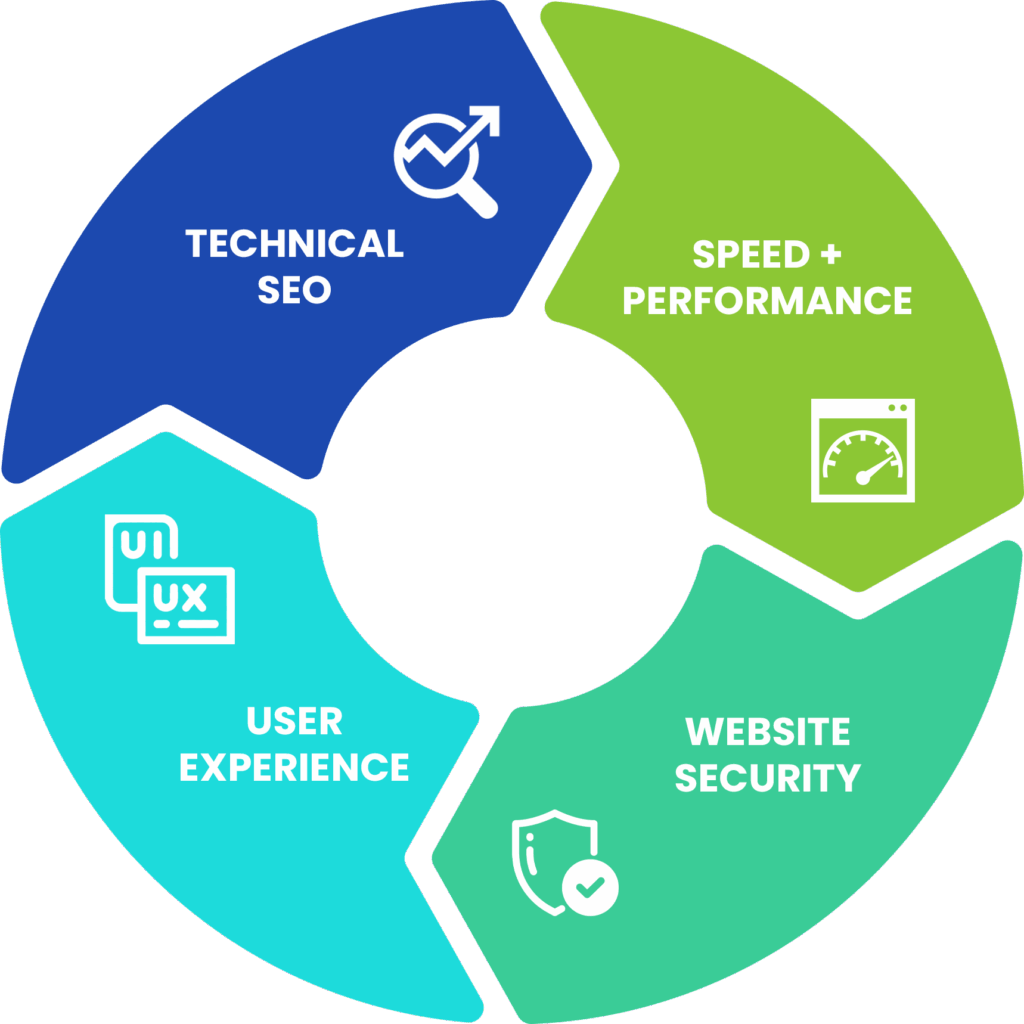
For nonprofits, a website does more than share information. It shapes whether people can find your mission, trust your organization, and take the next step. When traffic stalls or email signups flatten out, the problem is not always your message. Often, it is the website itself.
Small technical issues and content habits can quietly limit reach long before anyone notices. The good news is that you do not have to fix everything at once. When you know what to look for, you can start improving visibility, trust, and engagement with practical changes that actually move the needle.
Why Website Health Matters More Than You Think
Some of the most damaging website problems do not announce themselves. They sit in the background and slowly chip away at performance.
- Repeated page titles and descriptions make it harder for search engines, and users, to understand what makes each page unique.
- Oversized images and uncompressed videos can slow pages down enough to push visitors away before they act.
- Old event pages, outdated program content, and stale resources can signal that the site is not being maintained.
Each of these issues weakens visibility over time. Search engines have a harder time understanding what your pages should rank for, and supporters have a harder time trusting what they see. Even if your mission has not changed, the site can start sending the wrong signal.
The Red Flags That Quietly Hurt Search Visibility
Some website flaws are easy to miss because they look minor on the surface.
- Page titles that say things like “Home” or “Programs” tell search engines almost nothing.
- Slow mobile pages create friction for donors, volunteers, and event attendees trying to engage on the go.
- Old pages that have not been reviewed in years can dilute attention from your newer, more relevant content.
These problems matter because they affect both discoverability and credibility. If someone lands on a page that feels slow, generic, or outdated, the mission loses momentum before the message has a chance to land.
Technical Gaps That Hide Good Content
 Sometimes the content is strong, but the site structure is getting in the way.
- Missing alt text and weak page hierarchy make it harder for search engines to understand your content.
- Broken links and outdated redirects create frustration for users and send neglect signals to search engines.
- txt, sitemap, or indexing mistakes can block important pages from appearing in search at all.
These are the kinds of technical issues that often go unreported until someone takes a closer look. That is what makes them so costly. You can be publishing useful content and still lose visibility because search engines are not getting clean signals from the site.
Content Habits That Work Against You
Not every SEO problem starts in the backend. Some begin with content choices that seem reasonable but work against discoverability.
- Internal language, acronyms, and program names may make sense to your team but mean very little to the people searching for help or answers.
- Reports, updates, and success stories posted only as PDFs often stay invisible in search.
- Blog posts and resources that are not linked from stronger pages become digital islands that are hard for users, and search engines, to reach.
A healthy website is not just technically sound. It also speaks in the language your audience actually uses. That is how storytelling starts supporting search visibility instead of competing with it.
The Website Habits That Build Visibility Over Time
The encouraging part is that you do not need a massive overhaul to improve results. Small, repeatable habits go a long way.
- Strengthen your most important pages with clear headlines, short summaries, and links to related content.
- Use clean URLs and thoughtful meta descriptions so pages are easier to index and more compelling to click.
- Review mobile usability and page speed regularly so supporters do not hit friction at key moments.
- Treat content as something people search for, not just something you publish.
When these habits become routine, the site starts working harder for the mission. Search engines get clearer signals, supporters find the right content faster, and your team has a stronger foundation for future campaigns.
A Healthier Website Creates More Reach
Your website does not need to be perfect, but it does need to stop working against you. Broken links, repeated headlines, hidden indexing issues, and vague copy may seem small on their own, but together they can quietly limit your reach.
When you start fixing the patterns that hurt visibility, the payoff goes beyond rankings. Supporters find you more easily. Donors have a smoother experience. Your team spends less time reacting to avoidable issues and more time focused on the work that matters.