By July, Giving Tuesday probably feels like a blip on the calendar. But for many environmental nonprofits, summer is when small issues quietly surface, and by peak campaign season, they have snowballed. If your website crashed last year or supporters complained that something was not working, now is the time to listen.A broken donation form or outdated homepage does not just make things harder for your team. It can break trust with the people who care about your mission. Visitors do not stay long when a website feels slow or unreliable. If forms glitch, those missed donations can add up quickly.The good news is, you still have time. July offers a window to get ahead of year-end problems before they hit in the middle of your busiest season. Acting now does not just prevent emergencies, it creates space to focus on impact later. With the right nonprofit website solutions in play, your site can become a reliable engine for outreach, not a source of stress. When things are quiet, problems tend to show up more clearly. Summer is often one of the slowest periods for website traffic, so it is the perfect time to spot issues that may have been masked by busier seasons.Nobody gets excited about plugin cleanup or security checks. Maintenance work done at the right time keeps you from waking up to a crashed site during Giving Tuesday week.
Why Summer Is the Hidden Season for Website Warning Signs
 When things are quiet, problems tend to show up more clearly. Summer is often one of the slowest periods for website traffic, so it is the perfect time to spot issues that may have been masked by busier seasons.
- Slow page speeds are easier to notice when you are testing without the distraction of campaign push.
- Outdated plugins and inconsistent branding become more obvious when you are prepping your next big newsletter.
- Broken forms or missed links are easier to test thoroughly without the pressure of incoming campaign emails.
The Real Cost of a Crash: What Is at Stake by November
A campaign cannot do its job if the platform it depends on does not show up. When it comes to year-end giving, most organizations do not get a second chance.- A broken donation form can turn goodwill into frustration. Supporters move on quickly online.
- A slow or glitchy mobile experience can signal to first-time donors that your organization is not reliable, or worse, not safe.
- Even five seconds of loading time can lose someone’s attention, especially during impulse giving around Giving Tuesday.
The Fixes That Matter Most, and Why You Should Not DIY
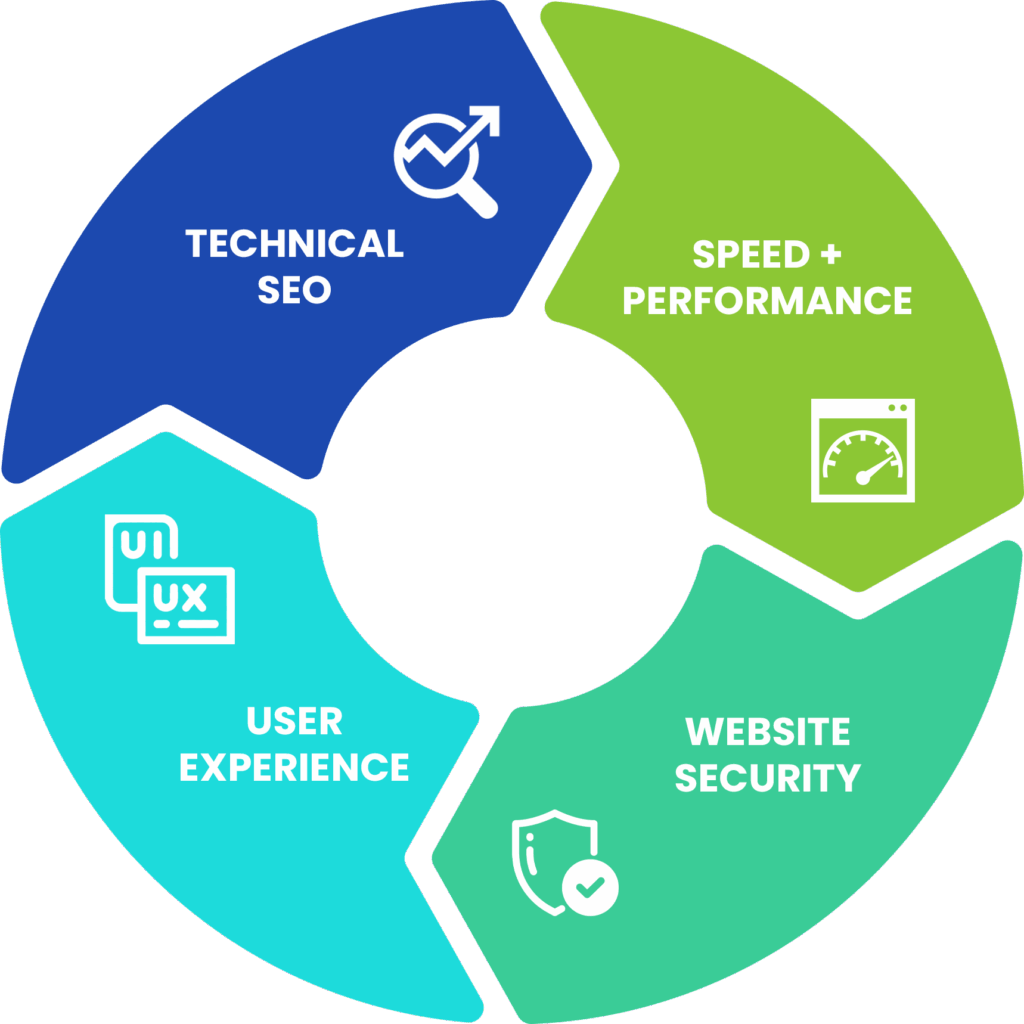
Most nonprofit websites were not built with longevity in mind. Plugins get added over time, styles get copied from older templates, and eventually everything slows down or breaks unexpectedly. It is hard to know what is actually causing problems unless someone digs into the backend and takes a holistic look.Some of the top issues we see each summer include:- Heavy image loads or cluttered themes slowing the overall site down.
- Mobile forms that look fine on desktop but do not function on iPhones or Androids.
- Plugin conflicts that break pages when updates run.
- SEO problems like broken metadata or old links that confuse search engines.
Maintenance Is Not Glamorous, But It Keeps You Visible and Secure
 Nobody gets excited about plugin cleanup or security checks. Maintenance work done at the right time keeps you from waking up to a crashed site during Giving Tuesday week.
- Quarterly tasks like backups, bug checks, and plugin reviews help catch issues early.
- July is a good moment to schedule a full refresh, before fall events take over everyone’s attention.
- Performance reports prepared now are easier to present to your board or leadership later, especially when paired with action steps.
How to Talk About Website Health with Non-Technical Leaders
It is easy to lose the room fast once technical jargon shows up. Speed, form logic, image compression, it all feels abstract when what really matters is donor activity and trust.Try shifting the language:- Instead of page speed, talk about how long it takes a donor’s page to load before they click away.
- Instead of broken fields, point to people who sent emails saying they could not donate.
- Instead of SEO errors, explain how Google is not showing your site when people search your cause.
Your July Game Plan: Set Yourself and Your Campaign Up to Win
Black Dog Marketing delivers technical website support, routine maintenance, and detailed audits for nonprofits who need peace of mind before high-stakes campaigns like Giving Tuesday. Our services cover plugin updates, mobile speed improvements, and issue resolution to minimize the risk of year-end emergencies.Here is what this month can be about:- Review what worked and did not during your last big traffic spike.
- Run test donations on desktop and mobile.
- Check for outdated software, glitches, or mismatches across pages.
- Prioritize the updates that will reduce donor friction and improve mobile performance.