Why Mission and Marketing Start to Drift Apart
 Your nonprofit may be doing remarkable work in the community, yet your website, email outreach and social content may not make that impact easy to understand. Pages become outdated. Campaign messages get created one deadline at a time. Valuable reports are published, then buried where supporters and search engines struggle to find them.For a busy communications or outreach director, this disconnect rarely comes from a lack of commitment. It comes from limited time, competing priorities and digital systems that have not kept pace with the organization’s work.When marketing and mission start moving in different directions, supporters feel the gap. A prospective donor may reach a generic donation page without understanding the need. A volunteer may struggle to find the right opportunity. Leadership may want clearer results while your team is still fixing broken links and outdated content.Common warning signs include:
- Your team is producing content, but there is no clear strategy connecting it to program goals.
- Your website still reflects older priorities, even as your programs and impact have evolved.
- Email and social media are active, but they are not guiding supporters toward meaningful next steps.
- Important stories, reports or resources are difficult to find in search or on your own website.
- Your communications team spends more time reacting to technical issues than improving outreach.
What a Nonprofit Marketing Consultant Actually Helps Clarify
 A nonprofit marketing consultant should not arrive with a pile of disconnected tactics or a one-size-fits-all campaign plan. The real value is clarity: understanding what your organization is trying to accomplish, how your digital presence supports that goal today and where avoidable barriers are creating friction.The first step is often listening. A skilled consultant learns how your organization defines impact, who you need to reach and which actions matter most, whether that is donations, membership, volunteer sign-ups, event registrations, advocacy participation or community awareness.From there, a consultant can connect strategy to the tools your audience actually uses:
- Review the website experience to see whether visitors can quickly understand your mission and act on it.
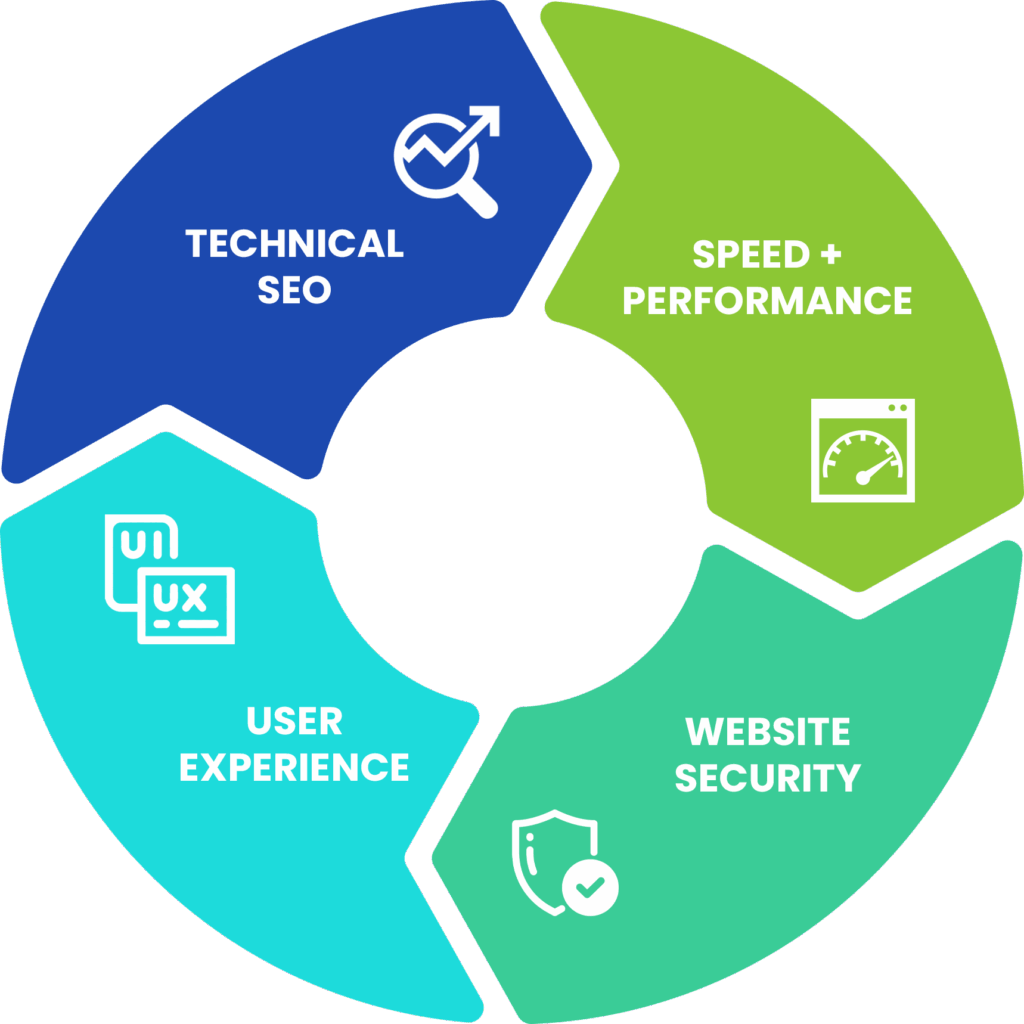
- Evaluate search visibility, page structure and technical SEO issues that may be limiting reach.
- Look at content, email and campaign paths to determine whether messages reinforce one another.
- Identify quick wins and longer-term priorities, rather than leaving your team with an overwhelming wish list.
- Translate digital findings into practical recommendations leadership can understand and support.
Turning Strategy Into Day-to-Day Improvements
Strategy only matters when it makes the work easier and the outcomes stronger. A consultant should help turn big-picture alignment into practical improvements your team can manage, measure and explain.That may begin with a roadmap that separates immediate visibility blockers from future enhancements. For example, repairing an important donation path, improving a high-value program page or addressing an indexing problem may matter more right now than launching another content series.Practical improvements could include:- Clarifying calls to action so donors, volunteers and partners know what to do next.
- Organizing key program and impact pages around the questions supporters actually ask.
- Improving technical SEO fundamentals so important resources have a better chance of being discovered.
- Creating a sustainable content plan tied to campaigns, seasonal priorities and organizational goals.
- Building simple reporting checkpoints that connect website activity to outreach objectives.
Regaining Control Without Burning Out Your Team
Many nonprofit communicators know the feeling of keeping a website together one urgent fix at a time. A page breaks before a campaign. An outdated form creates confusion. A staff member leaves, and the knowledge of how a digital process works leaves with them.Reactive digital management costs more than time. It creates uncertainty when your organization needs confidence, especially during fundraising pushes, grant reporting periods or public outreach campaigns.A supportive consulting relationship helps move your organization out of that cycle. Instead of treating every issue as an emergency, your team can have a clearer picture of what is urgent, what can be planned and what systems would prevent the same problem from returning.The right support can mean:- Fewer last-minute surprises before major outreach efforts.
- More confidence that important pages and forms are working as intended.
- A prioritized plan your team can use when time and budget are limited.
- A partner who understands that nonprofit recommendations must be realistic, mission-focused and easy to communicate internally.
When Alignment Makes Your Mission Easier to Support
When your website and outreach clearly reflect your mission, supporters do not have to work as hard to understand your value. They can see the need, recognize your impact and find a meaningful way to participate.That alignment can improve far more than the appearance of a website. It can help your organization create a more consistent supporter experience, build trust with leadership and make better decisions about where limited communications resources should go next.Better alignment means your organization can:- Guide visitors from awareness to action with less confusion.
- Connect program stories, campaigns and donation opportunities more intentionally.
- Use website and search insights to strengthen future outreach decisions.
- Show leadership and funders how digital work supports mission outcomes.
- Spend less energy explaining scattered tactics and more energy building momentum.