Why Technical SEO Matters for Nonprofit Visibility
 Your nonprofit can publish an inspiring impact report, build an urgent campaign and create stories people genuinely need to hear. But when important pages are slow, difficult to find or blocked from search, that work never reaches its full audience.
For a communications or outreach director who is already managing email, social media, content and campaign deadlines, technical barriers are especially frustrating. They are easy to overlook until traffic falls, a supporter cannot complete an action, or leadership asks why a major resource is not being found online.
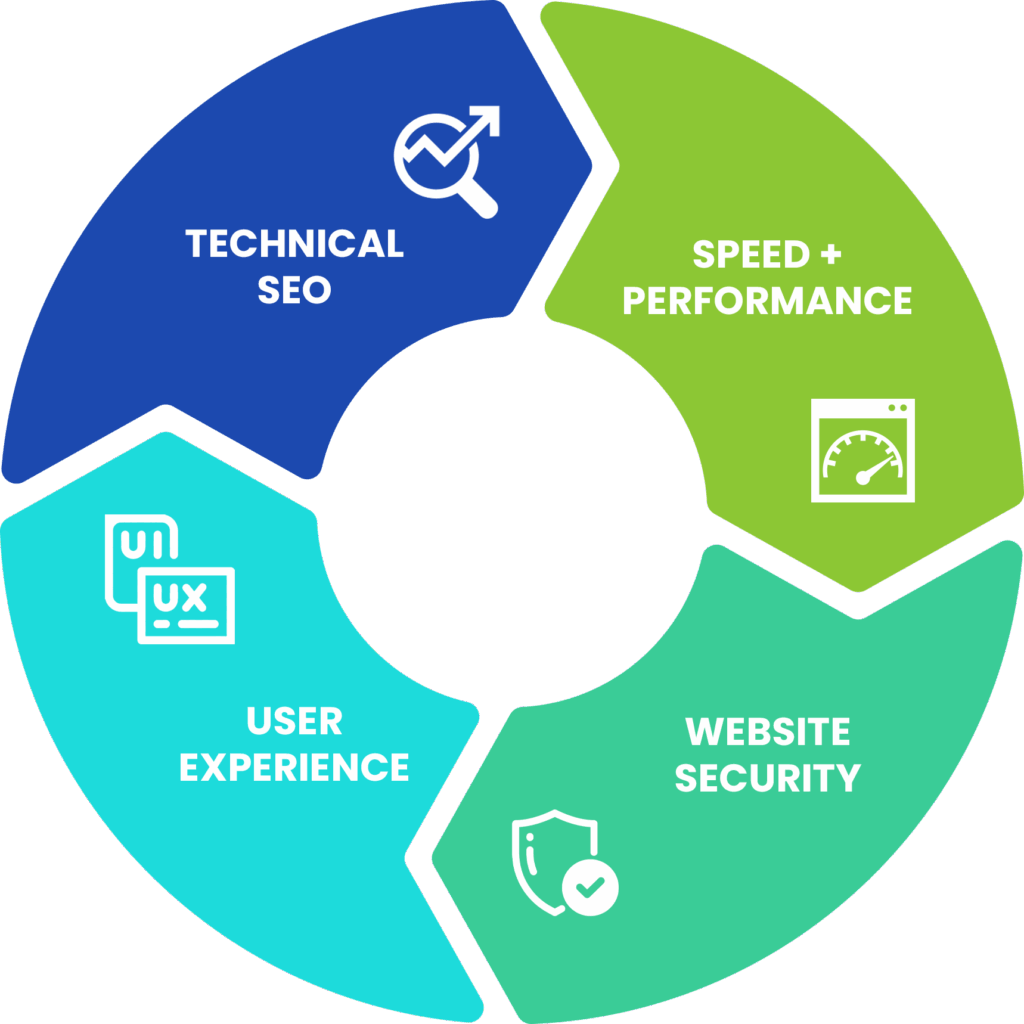
Nonprofit technical SEO is the behind-the-scenes work that makes your website easier for search engines to crawl and understand, and easier for supporters to use. It includes crawlability, site structure, page performance, security, mobile usability and structured information that helps clarify what each page is about.
This is not about chasing rankings for their own sake. It is about giving your mission a stronger digital foundation, so people searching for information, ways to give or ways to get involved have a clearer path to your organization.
Help Search Engines Find Your Most Important Pages
A website cannot earn visibility for pages that search engines struggle to discover or access. That is why a technical review often begins with the pathways that lead to your program, donation, volunteer, event and resource pages.
Your robots.txt file helps manage which areas search engine crawlers can access. It should not accidentally block the public content that supports your mission. It is also not the tool to use for protecting private or sensitive information, those areas require more appropriate access or indexing controls.
An XML sitemap gives search engines a clear list of pages you want discovered and reviewed. For a nonprofit, that may include key program pages, major reports, giving opportunities, event pages and campaign resources. Keeping the sitemap accurate and submitting it through Google Search Console can make it easier to identify whether important pages are being processed as expected.
Search Console can also help your team identify indexing issues, broken URLs and pages that are not appearing as intended. You do not need to fix every old URL first. Start with the pages most closely tied to supporter action and mission delivery.
Prioritize technical fixes for pages such as:
- Donation and recurring giving pages
- Volunteer, membership or advocacy signup pages
- Program service and eligibility information
- Seasonal campaigns, reports and event registration pages
- High-traffic educational resources that introduce new audiences to your mission
Create a Clear Path From Mission to Action
 Nonprofit websites often grow one program, initiative or campaign at a time. Over several years, even a well-intentioned site can become difficult to navigate. Pages become buried, similar content competes for attention and important calls to action lose context.
Strong site architecture helps visitors understand what you do, who you serve and how they can participate. Your primary navigation should reflect the choices supporters need to make, using clear paths such as What We Do, Resources, Get Involved and Donate. The goal is not to expose every page in the menu, it is to keep the most important actions easy to find.
Clear URLs and intentional internal links reinforce that structure. A descriptive URL for a program or volunteer opportunity gives users confidence before they click. Internal links can then move someone naturally from a story or research page to the next relevant action, such as joining an email list, volunteering or supporting a campaign.
Duplicate or very similar pages should also be reviewed. When campaign landing pages, print versions or archived resources overlap, canonical tags and a clear content strategy can help search engines understand which version is primary. That keeps older content from competing with the page you actually want supporters to use.
For a stretched-thin communications team, this kind of structure matters because it makes future content easier to place, easier to measure and easier for supporters to act on.
Improve Speed and Mobile Experience on Critical Pages
A supporter who clicks from a social post or fundraising email is already giving you attention. A slow, unstable or awkward mobile page creates friction at the exact moment your organization needs trust and follow-through.
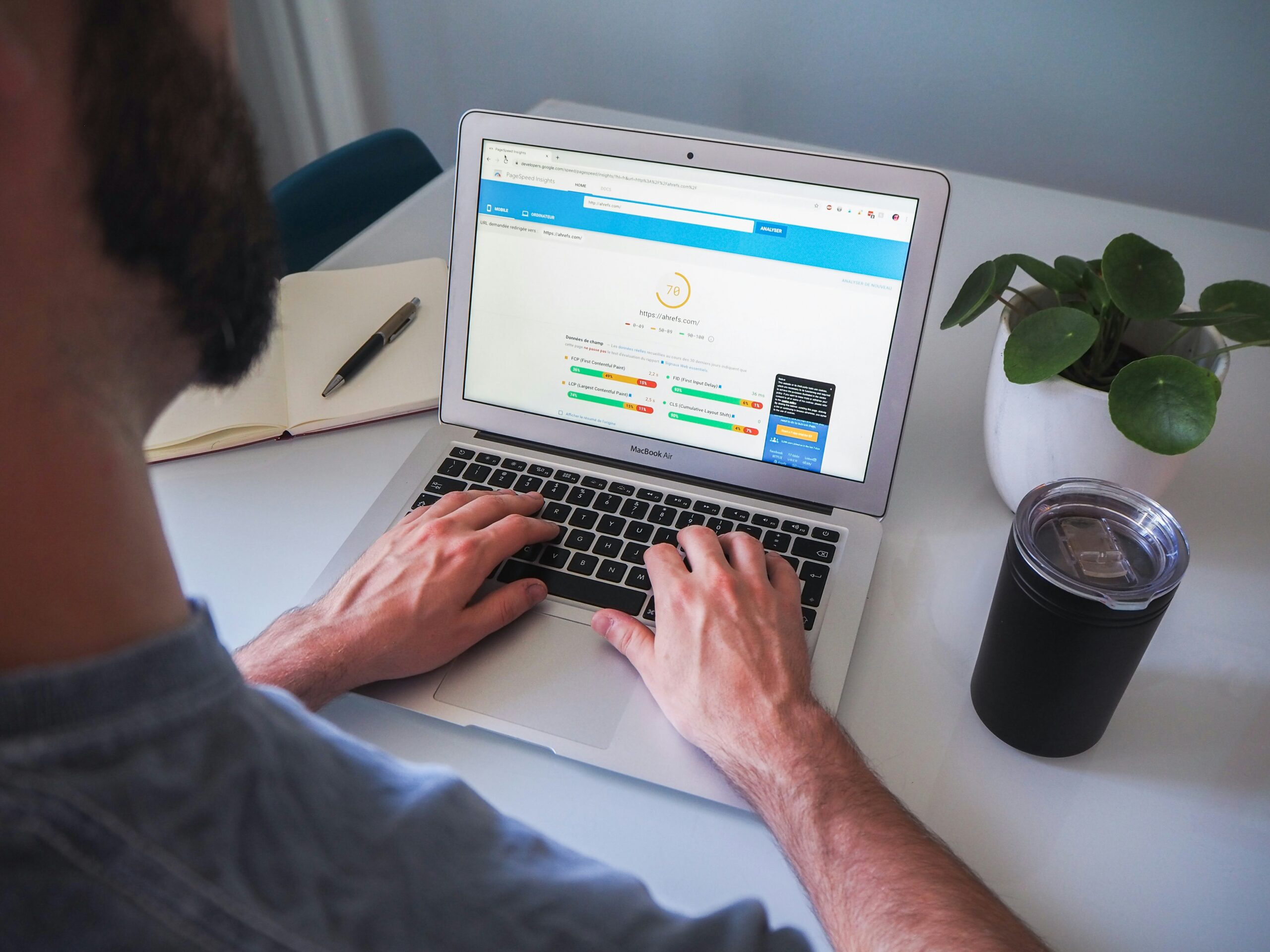
Google’s Core Web Vitals focus on three parts of real-world page experience:
- Largest Contentful Paint (LCP), how quickly the main page content appears
- Interaction to Next Paint (INP), how quickly the page responds to a click or tap
- Cumulative Layout Shift (CLS), how stable the layout remains while loading
Nonprofit sites commonly lose performance through oversized hero images, embedded video, third-party donation tools, event plugins, unused tracking scripts or years of accumulated WordPress additions. These issues often show up most clearly on mobile, where many supporters first encounter your campaign.
Start with the pages closest to action. Test donation forms, registration pages, newsletter signups and key program pages on a phone, not just a desktop. Compress and correctly size images, reduce unnecessary scripts, use caching where appropriate and make sure forms are easy to complete without pinching, scrolling sideways or navigating intrusive pop-ups.
Improving page performance is not just a technical cleanup project. It is one of the most practical ways to respect a supporter’s time and protect the momentum your outreach worked hard to create.
Strengthen Trust With Security, Accessibility and Structured Data
Nonprofit websites often ask visitors to trust them with more than attention. Donors provide payment information. Volunteers may share contact details. Program participants may be looking for help during a vulnerable moment. A trustworthy digital experience has to be secure, usable and clear.
Every public page should load securely over HTTPS, with special attention to donation forms, account areas and embedded tools. Mixed-content warnings, expired certificates or insecure third-party elements can create doubt before a visitor ever completes an action.
Accessibility belongs in this conversation as well. Semantic headings, meaningful link text, descriptive image alt text, keyboard-friendly navigation and clearly labeled forms make the website usable for more people. These practices also create cleaner, more understandable page structure for your team and for search engines.
Structured data can provide additional context about what a page represents. Appropriate markup for an organization, article or eligible event content can help search engines interpret information more accurately. The key is to use markup that reflects visible page content and validate it before publishing, rather than treating schema as a shortcut to better results.
When security, accessibility and technical structure are addressed together, your website feels more reliable, and reliability is central to supporter trust.
Make Technical SEO Part of Ongoing Website Care
Technical SEO is not a task you complete once and forget. Nonprofit websites change constantly: new events are published, campaigns launch, staff add resources, plugins update and forms connect to new systems. Each change can strengthen the experience or quietly introduce a new barrier.
The solution is not a complicated reporting burden. It is a realistic maintenance routine that fits your organization’s pace. A consistent review process can catch problems before they reach donors, board members or campaign deadlines.
A practical baseline includes:
- Using Google Search Console to monitor indexing issues, search performance and Core Web Vitals
- Reviewing analytics for organic traffic and conversions on key action pages
- Scanning periodically for broken links, redirect issues and missing page elements
- Testing donation, volunteer and registration flows before important campaigns
- Reviewing website speed, security and updates as part of ongoing maintenance
Technical SEO also becomes far more useful when marketing, website support and leadership share priorities. Your team does not need a list of every possible improvement. It needs a clear understanding of which issues limit visibility, which fixes reduce risk and which improvements help people take action on your mission.
Start With the Pages That Matter Most
If your nonprofit website feels harder to manage than it should, do not start by trying to fix everything. Start with the pages your audience and your mission depend on most.
Review your donation, volunteer, program and campaign pages for crawlability, broken links, mobile usability, page speed and clear pathways to action. Check that your sitemap reflects current priorities and that your most important pages can be found through navigation and internal links. Those focused improvements can give your team immediate clarity while creating a healthier foundation for future outreach.
Black Dog Marketing helps purpose-driven organizations uncover technical barriers that limit visibility and supporter engagement. A focused nonprofit website audit or Visibility Report can help you understand what needs attention first, what can wait and how to build a stronger digital foundation for the work your mission makes possible.